Address
Kumari,Lama,Bandarban, Bangladesh

 Join Our Event (28 Dec, 2026) Kumari, Lama, Bandarban.

A future where healthy ecosystems, empowered communities, and resilient food systems sustain both people and nature, where biodiversity flourishes and every generation inherits a healthier, more equitable environment.
Season-long, farmer-to-farmer field schools that turn agroecology from a one-off training into a practice families keep using long after SSEAFA staff move on.
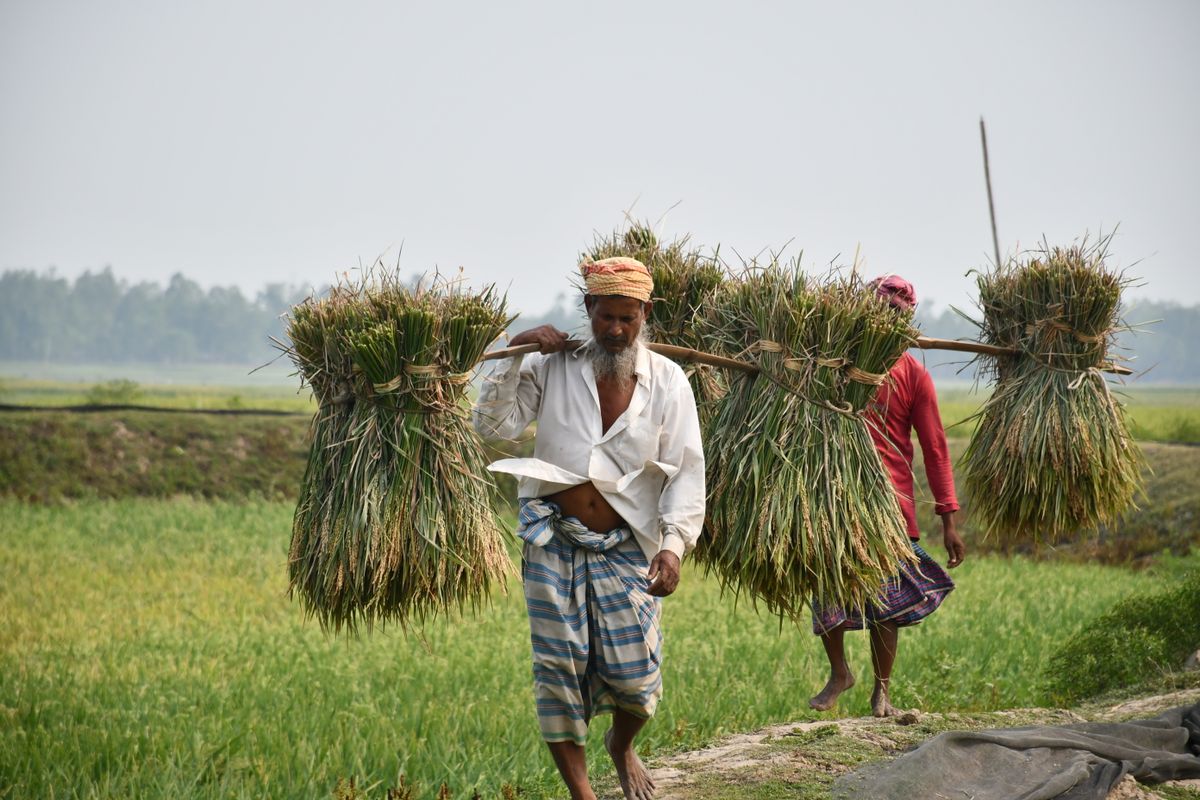
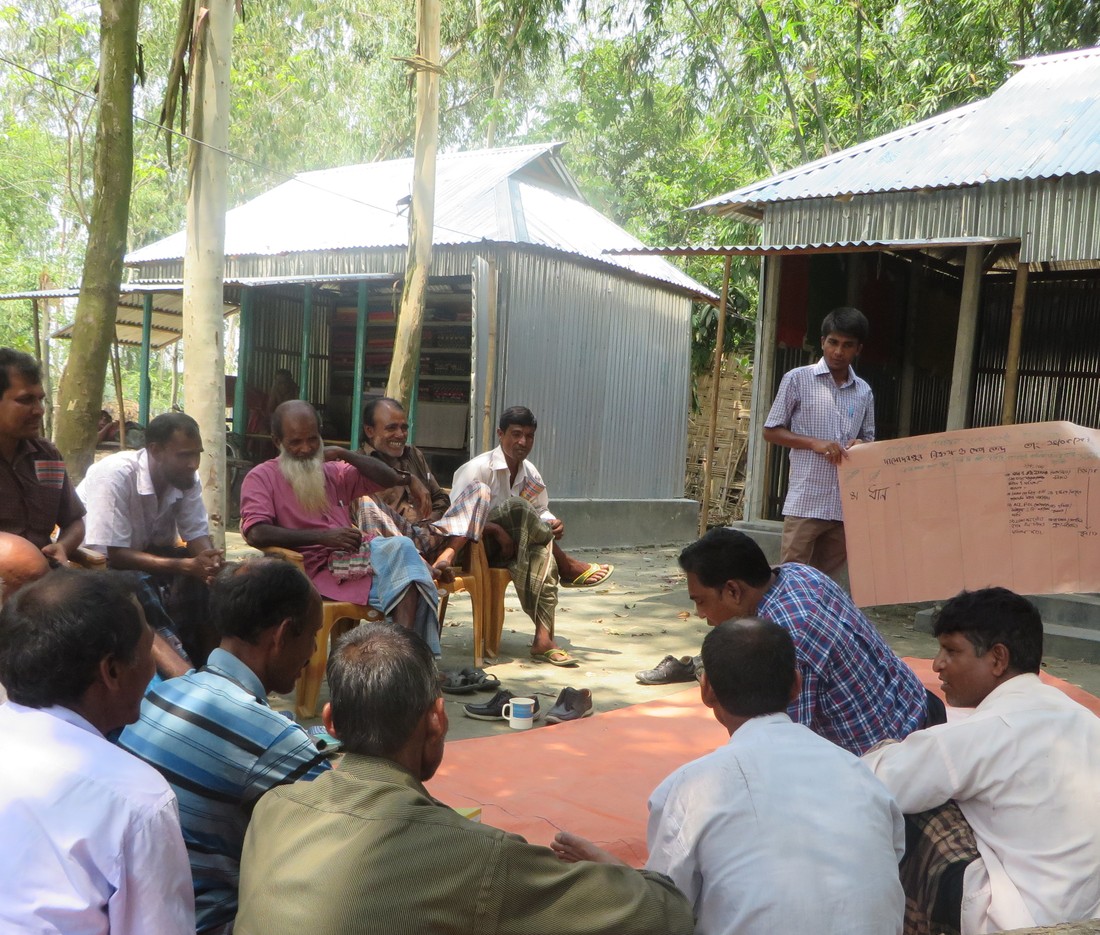
Most agricultural training in rural Bangladesh is a single workshop: a day of lectures, a handout, and little follow-up once the trainer leaves. This project runs season-long Farmer Field Schools instead — weekly, hands-on sessions held in a working field through an entire growing cycle, where farmers test agroecological techniques on their own plots and compare results together in real time.
Each field school is led by a trained "lead farmer" from the same community, not an outside expert, so the knowledge stays local once the formal program ends. Curriculum covers compost-making, intercropping design, natural pest management, and seed selection, but the core method is always the same: try it on a small test plot, observe, discuss as a group, then decide together whether to adopt it on the full farm.
Graduating farmer groups are now training neighboring households informally, extending the program's reach well beyond its own enrollment numbers, and several field school cohorts have gone on to form input-sharing cooperatives to buy compost materials and seed in bulk.