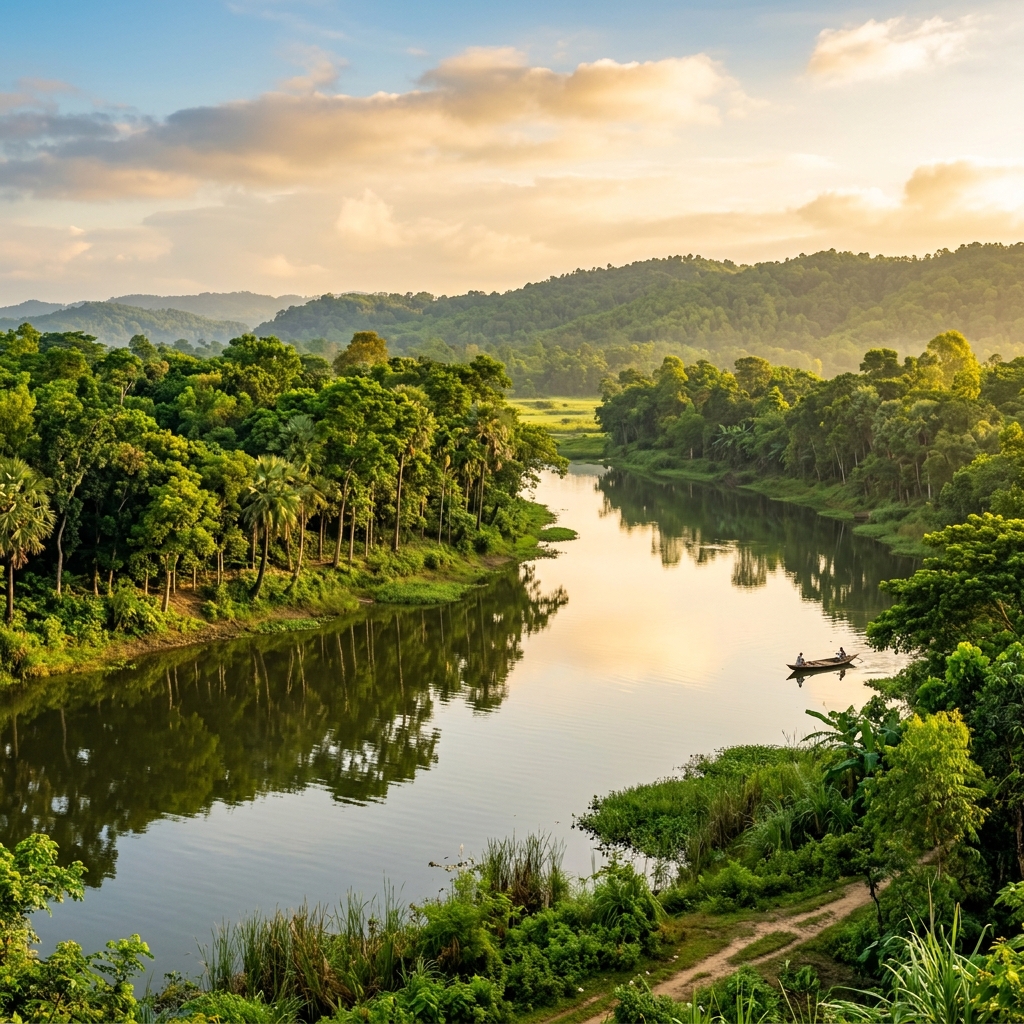
Address
Kumari,Lama,Bandarban, Bangladesh
 Join Our Event (28 Dec, 2026) Kumari, Lama, Bandarban.
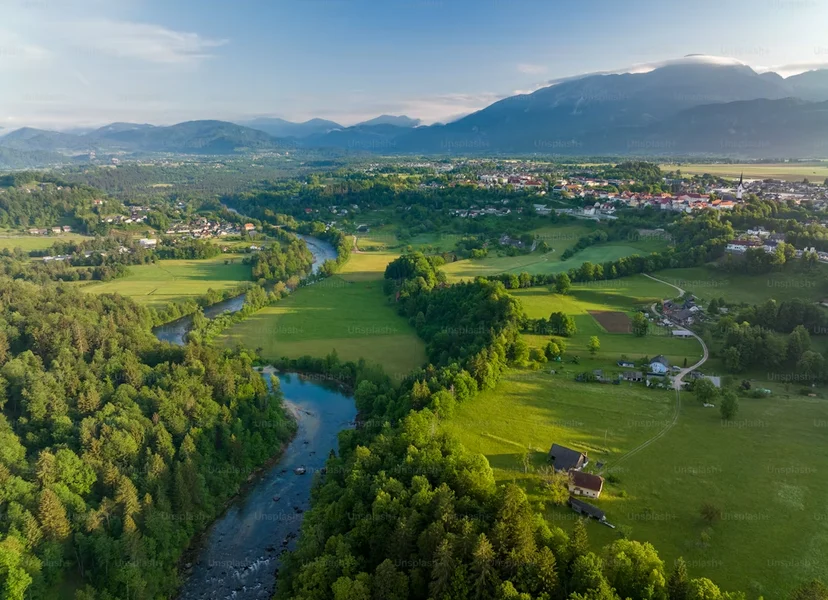
A future where healthy ecosystems, empowered communities, and resilient food systems sustain both people and nature, where biodiversity flourishes and every generation inherits a healthier, more equitable environment.
Restoring degraded hillside forest while strengthening the traditional agroforestry knowledge that Indigenous communities have refined over centuries.
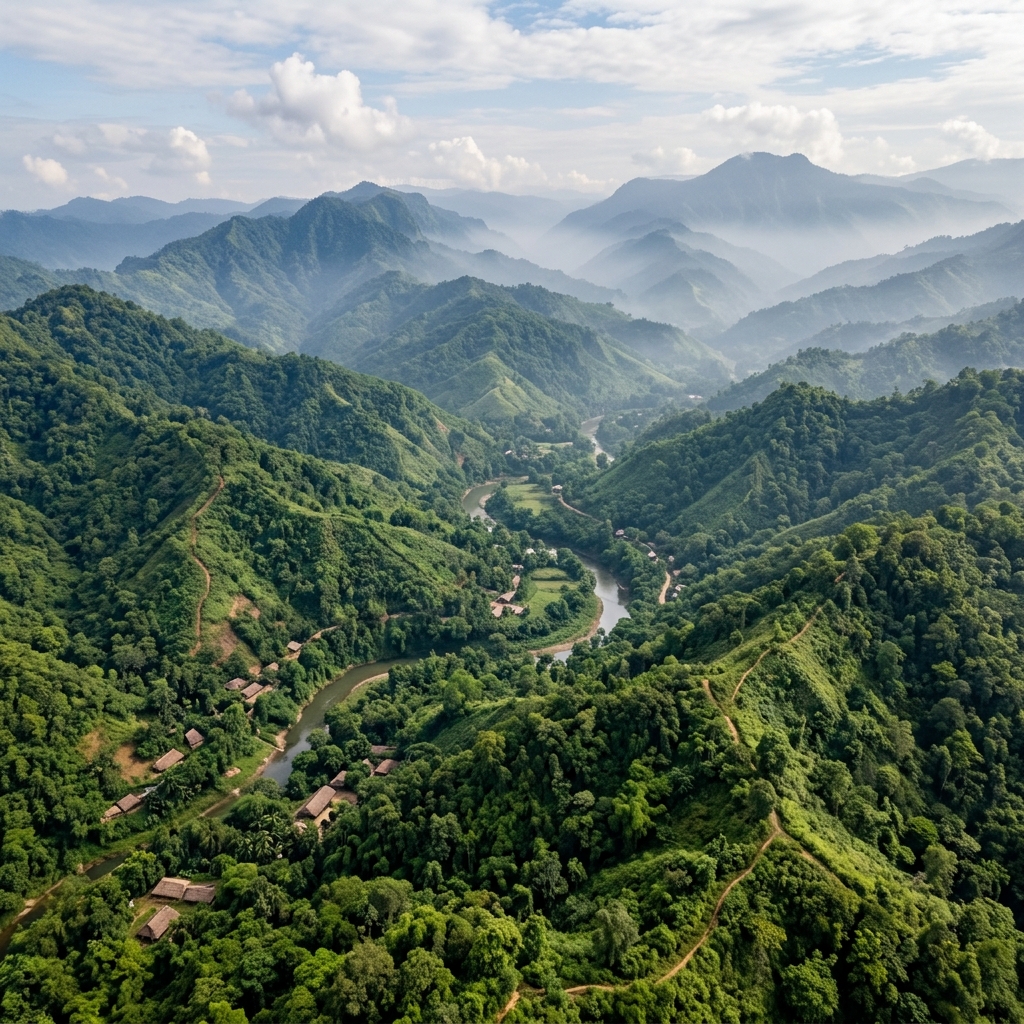
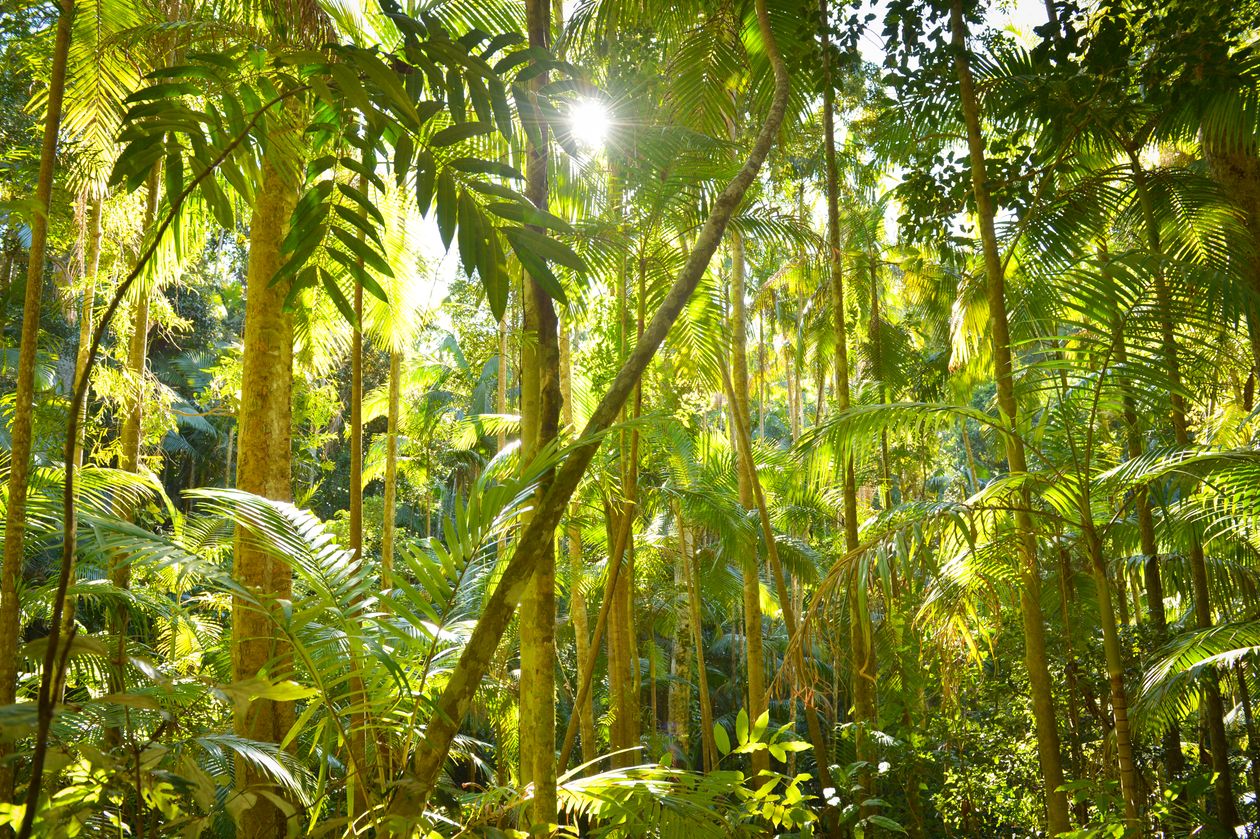
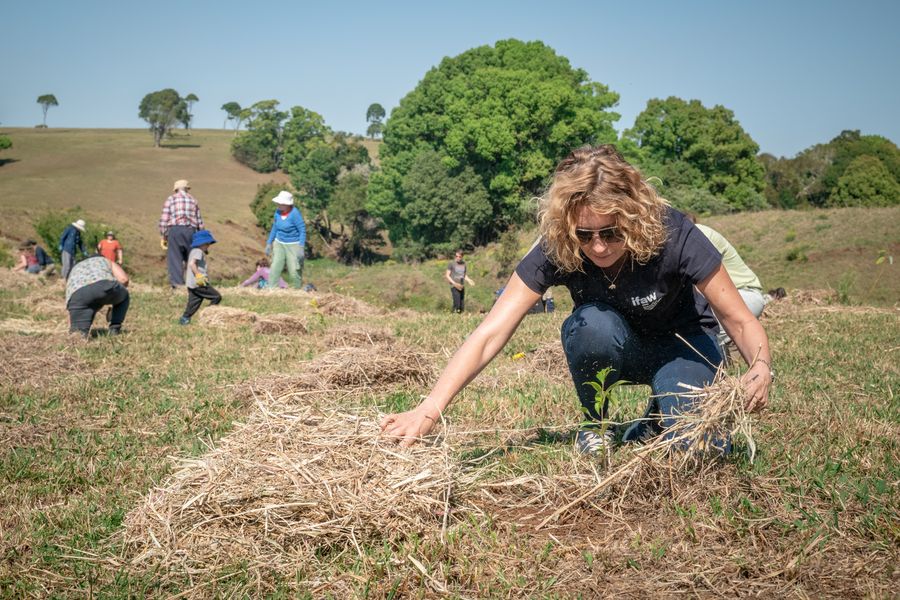
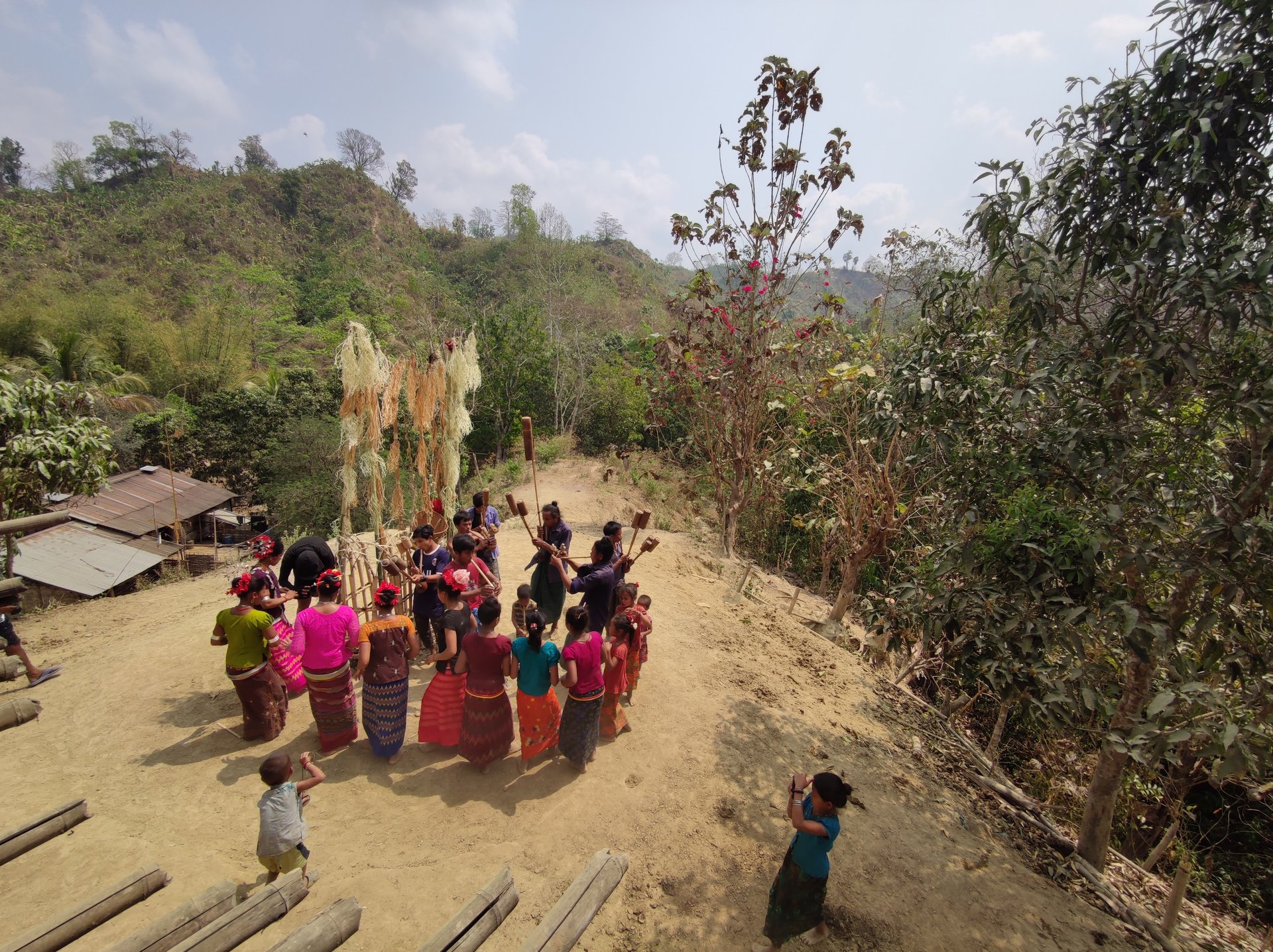
The Chittagong Hill Tracts hold some of Bangladesh's last significant tracts of natural forest — and some of its most complex land pressures, where shifting cultivation, illegal logging, and infrastructure expansion have fragmented habitat that Indigenous communities have stewarded for generations. This project restores degraded hillside forest while strengthening the traditional agroforestry knowledge systems, known locally as jhum improvement, that these communities have refined over centuries.
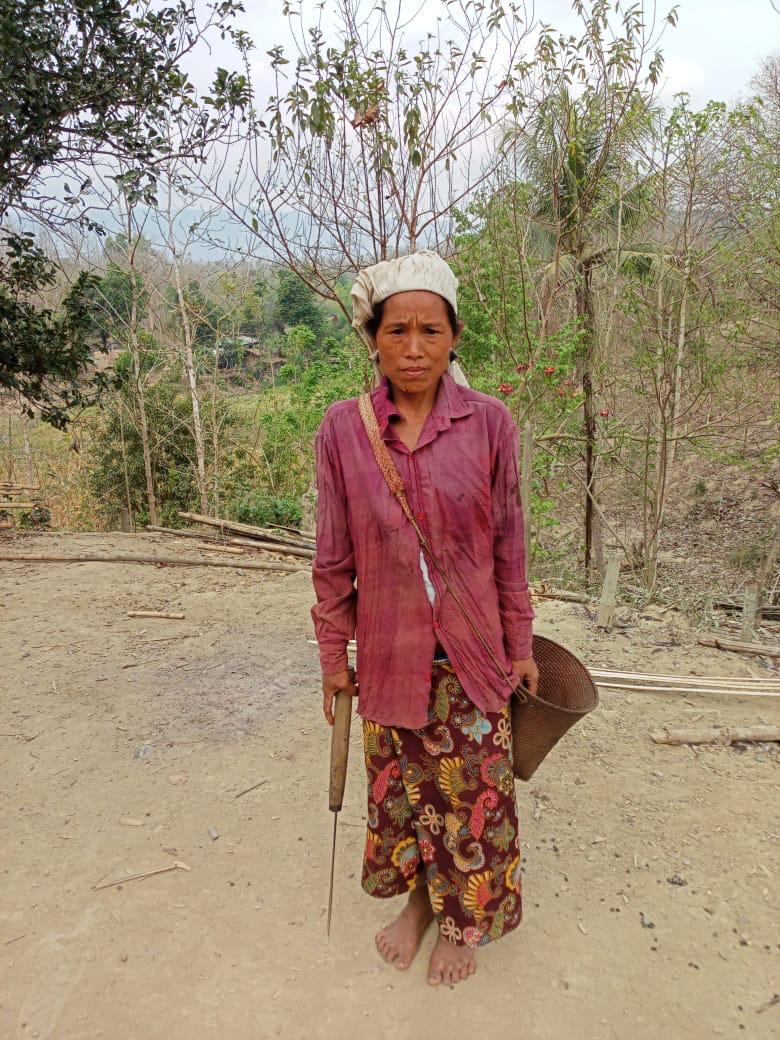
SSEAFA partners directly with twelve Indigenous village councils, combining their traditional ecological knowledge of which native species stabilize which slope conditions with modern erosion-control techniques and GIS-based restoration planning. Restoration plans are co-designed, not imposed — each community decides which degraded plots to prioritize and which mix of timber, fruit, and medicinal species best fits their needs.
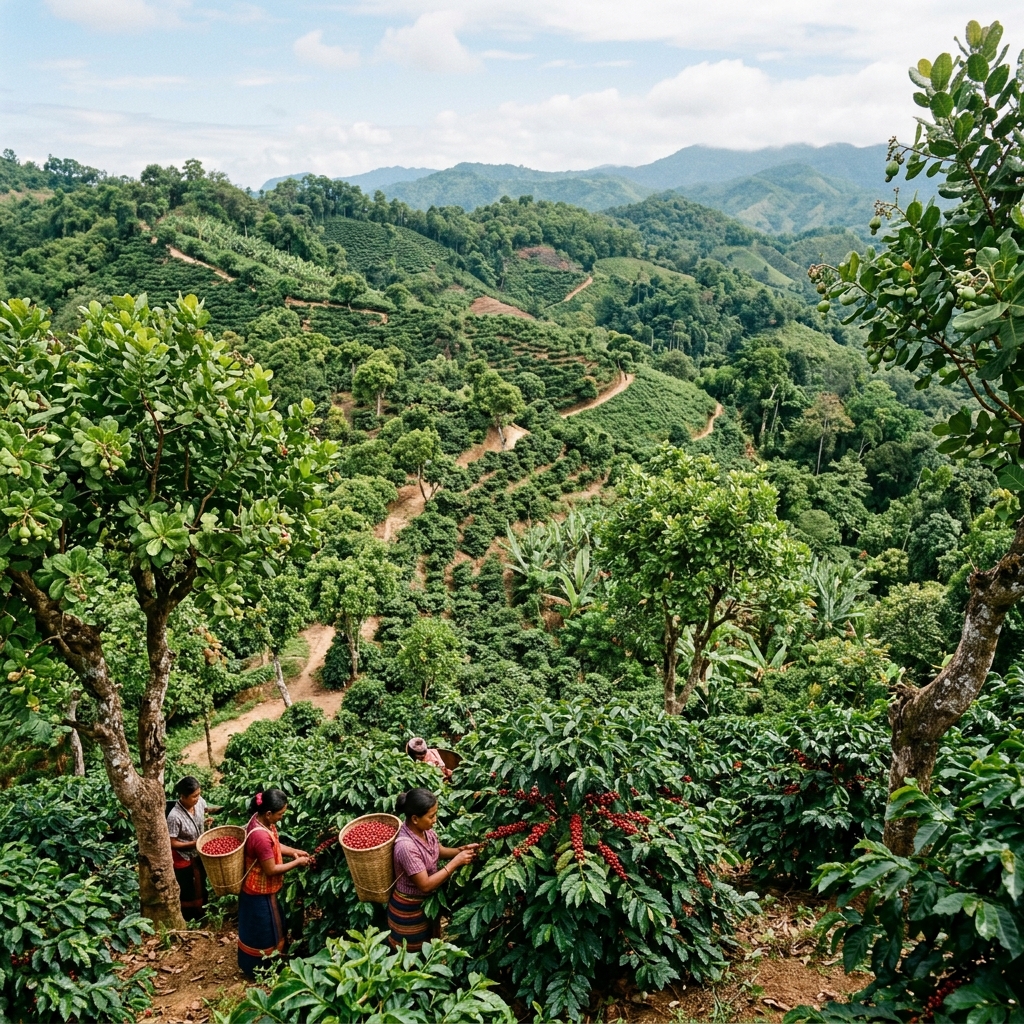
Restored hillsides are already showing reduced landslide risk during monsoon season, and several communities have begun harvesting fruit and non-timber forest products from the earliest restoration plots, turning conservation into a source of income rather than a constraint on it.
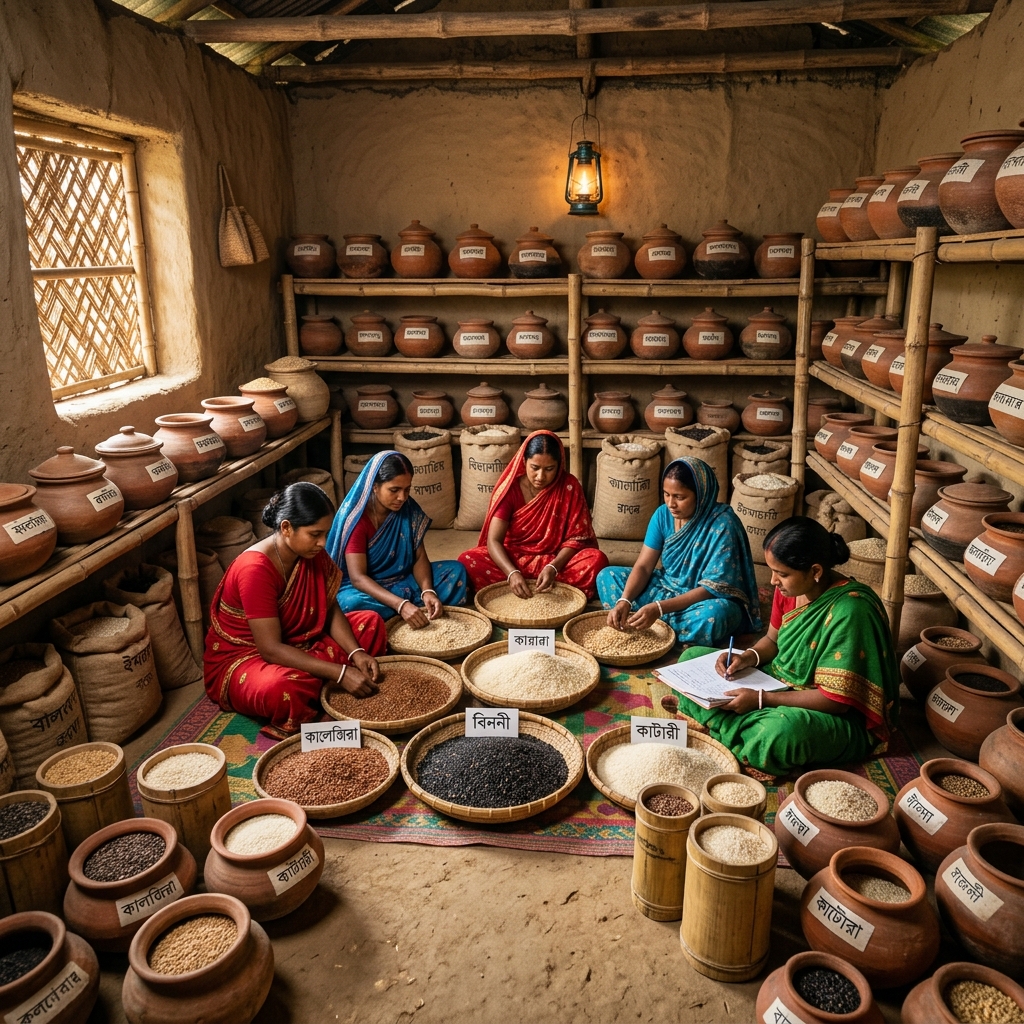
Every restored hectare, every trained household, every seed bank in this journal is made possible by people and volunteers who believe in the work.