Address
Kumari,Lama,Bandarban, Bangladesh
 Join Our Event (28 Dec, 2026) Kumari, Lama, Bandarban.
A future where healthy ecosystems, empowered communities, and resilient food systems sustain both people and nature, where biodiversity flourishes and every generation inherits a healthier, more equitable environment.
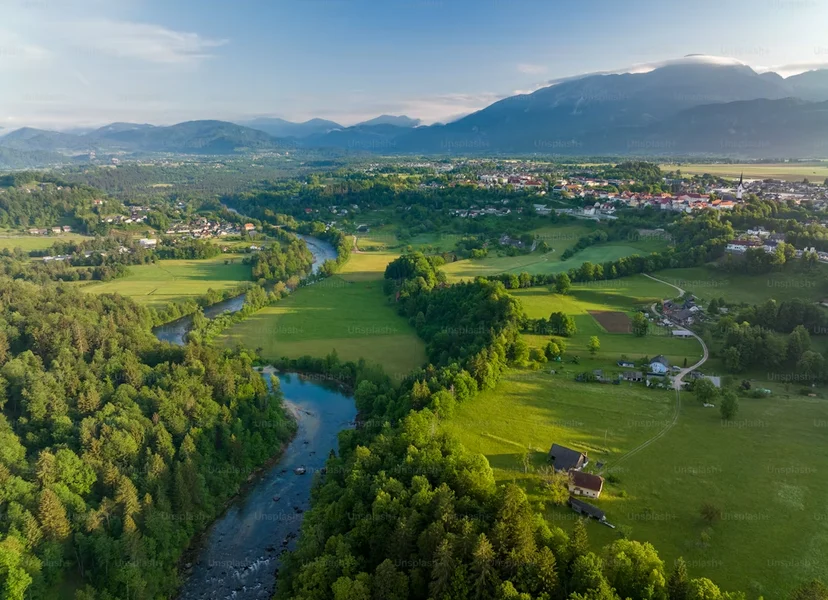
Climate change is not one problem but many, arriving on different timelines with different faces. Here's a field-level primer on what's actually changing in Bangladesh, and why it matters.
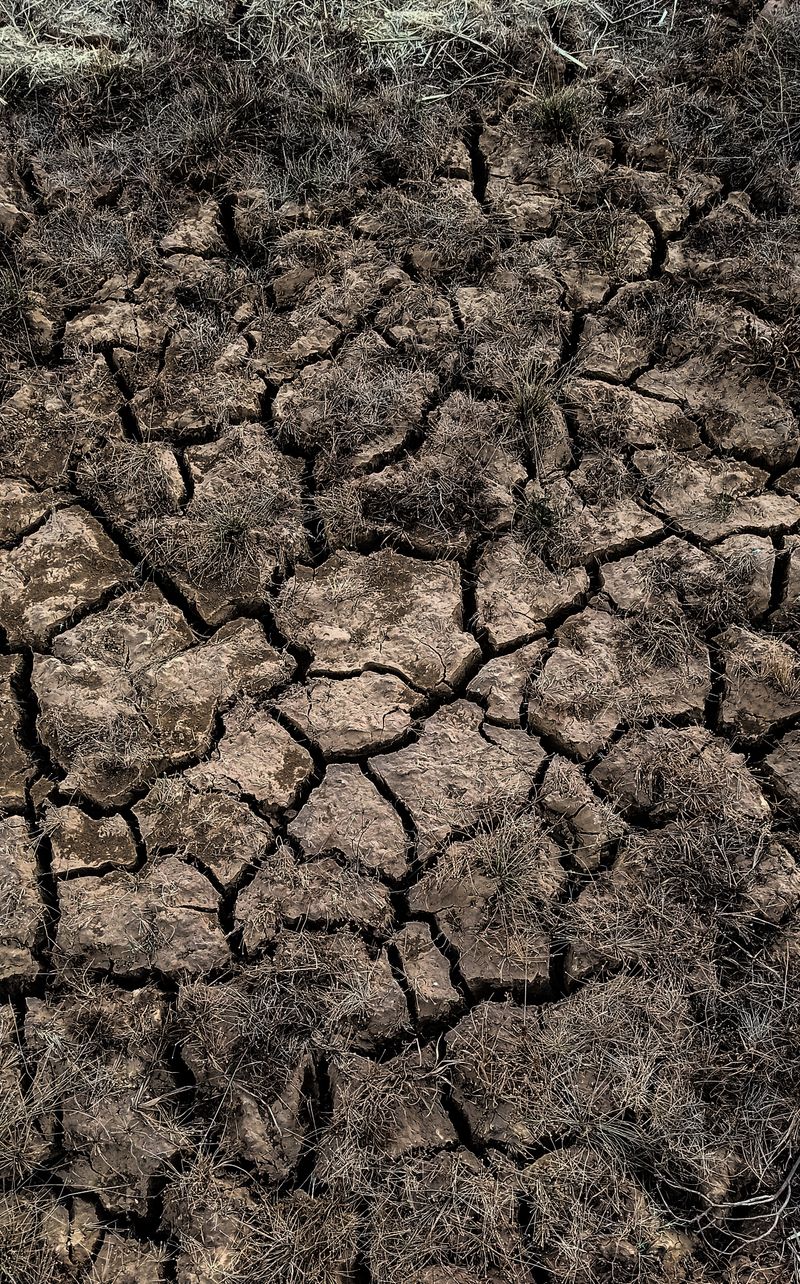
It's easy to talk about climate change as a single, distant phenomenon measured in degrees of global average temperature. On the ground in Bangladesh, it arrives instead as a series of specific, local disruptions: a monsoon that begins two weeks later than it used to, a dry season that stretches a month longer, a cyclone season that now regularly produces storms of a strength once considered rare.
Three shifts matter most to the communities SSEAFA works with. The first is rainfall variability — rain arriving in shorter, more intense bursts separated by longer dry spells, which is far harder for traditional cropping calendars to absorb. The second is salinity intrusion, as rising sea levels push saltwater further inland through the delta, degrading soil and drinking water across the southwest coast. The third is heat stress during the critical flowering stages of rice, which can silently cut yields even in a season that looks otherwise normal.
We don't need people to believe in climate change. We need them to help us plant varieties that survive the flood that already happened last year.
— SSEAFA Field Agronomist
None of these shifts affects everyone equally. Smallholder farmers with no irrigation, day laborers paid by the harvest, and households without savings to survive a failed season absorb the impact first and hardest — despite having contributed almost nothing to the emissions driving the change.
The good news from the field is that adaptation strategies exist and they work. Diversified agroforestry systems buffer yield against both drought and flood better than monoculture. Restored mangrove belts measurably reduce storm surge damage to the villages behind them. Community seed banks preserve salt-tolerant and drought-tolerant local rice varieties that decades of monoculture had nearly erased.
Understanding climate change, in other words, is less about memorizing global statistics and more about recognizing the specific risks facing a specific place — and investing in the boring, unglamorous adaptations that reduce them, season after season.
Every project in this journal is funded by people who will likely never visit — but whose support reaches every village we work in.