Address
Kumari,Lama,Bandarban, Bangladesh

 Join Our Event (28 Dec, 2026) Kumari, Lama, Bandarban.

A future where healthy ecosystems, empowered communities, and resilient food systems sustain both people and nature, where biodiversity flourishes and every generation inherits a healthier, more equitable environment.
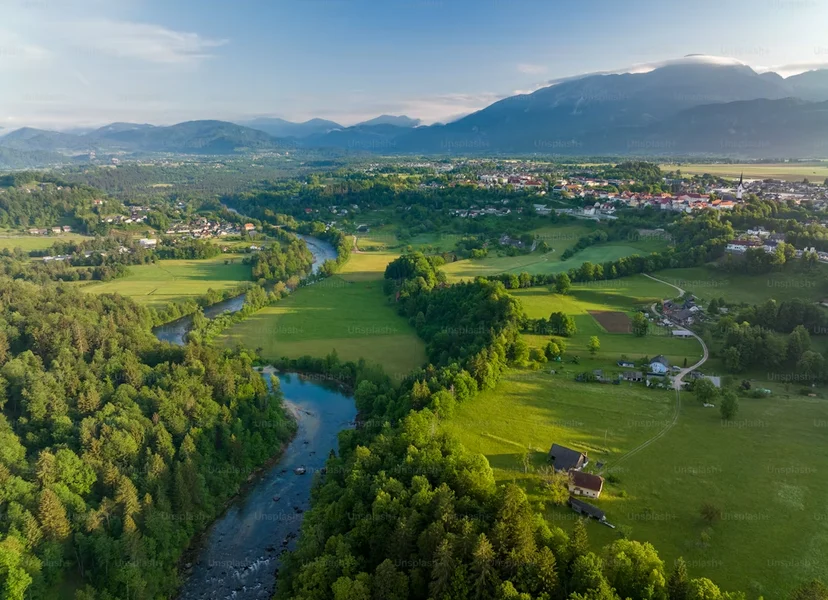
From floating solar to agrivoltaics, the next decade of renewable energy will look very different from the last — and rural Bangladesh is closer to the frontier than you'd think.
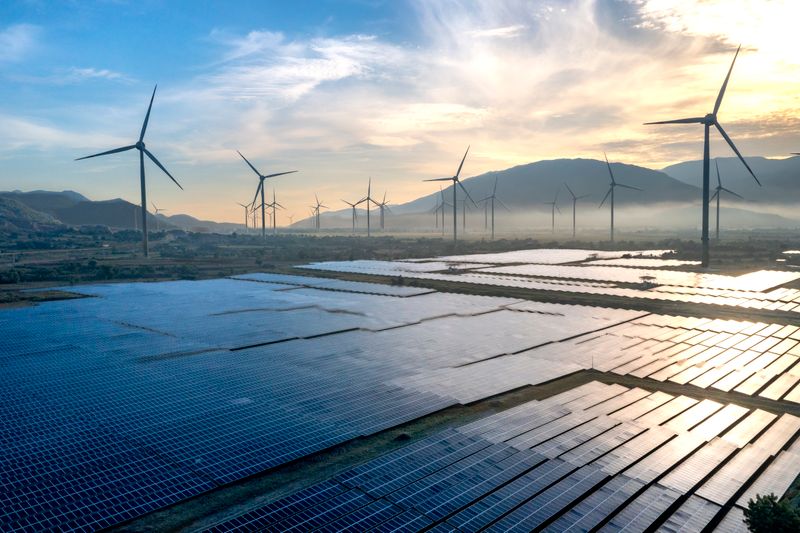
When most people picture renewable energy, they picture the rooftop solar panel or the wind turbine on a distant ridge — technologies that are, at this point, mature and almost unremarkable. The next decade belongs to a second wave of innovations designed specifically for places where land, water, and grid infrastructure are all in short supply, which describes most of the delta.
Agrivoltaics — mounting solar panels above crops rather than instead of them — is the trend SSEAFA is watching most closely. Early pilot plots in South Asia have shown that partial shading from elevated panels can improve yields of shade-tolerant crops during increasingly common heat waves, while the same acre generates electricity and food simultaneously. For a country where farmland is Bangladesh's scarcest resource, that dual use changes the calculus entirely.
The best renewable technology for a delta isn't necessarily the newest one — it's the one that survives the next flood.
— SSEAFA Energy Program Lead
Floating solar is the second major shift. With hundreds of rivers and a dense network of seasonal wetlands, Bangladesh has enormous unused surface water that never competes with agricultural land. Floating arrays also benefit from natural cooling, which improves panel efficiency compared to rooftop installations in the same climate.
On the storage side, falling battery costs are finally making it viable to pair small solar systems with enough storage to run through the night reliably — the missing piece that made early rural solar installations frustrating for users who needed power after dark, not just during the day.
None of these technologies are science fiction — they are mostly existing hardware, recombined for a specific geography. That is, in many ways, the story of renewable energy's next decade: not one breakthrough, but a thousand adaptations of existing tools to the places that need them most.
Every project in this journal is funded by people who will likely never visit — but whose support reaches every village we work in.