Address
Kumari,Lama,Bandarban, Bangladesh
 Join Our Event (28 Dec, 2026) Kumari, Lama, Bandarban.
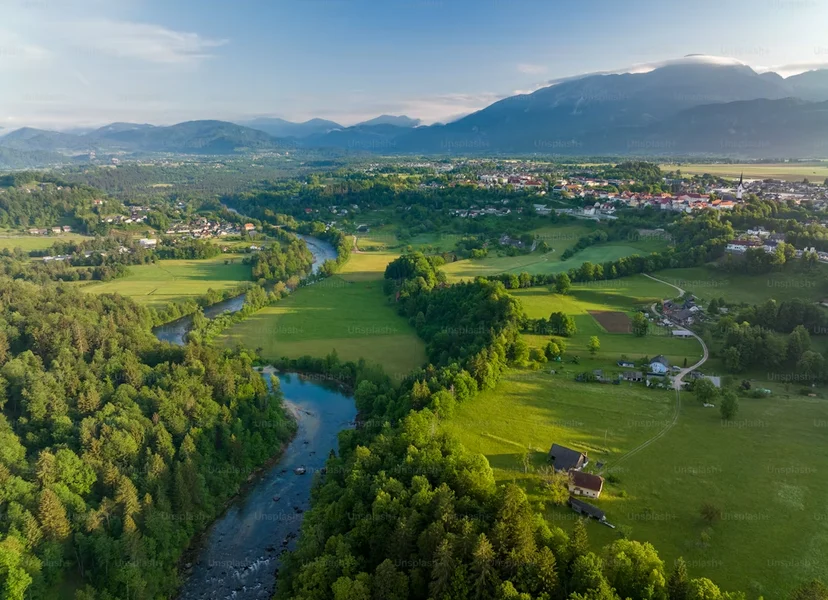
A future where healthy ecosystems, empowered communities, and resilient food systems sustain both people and nature, where biodiversity flourishes and every generation inherits a healthier, more equitable environment.
A forest without wildlife is just a plantation. Here's why SSEAFA measures restoration success in animal tracks, not just tree counts.
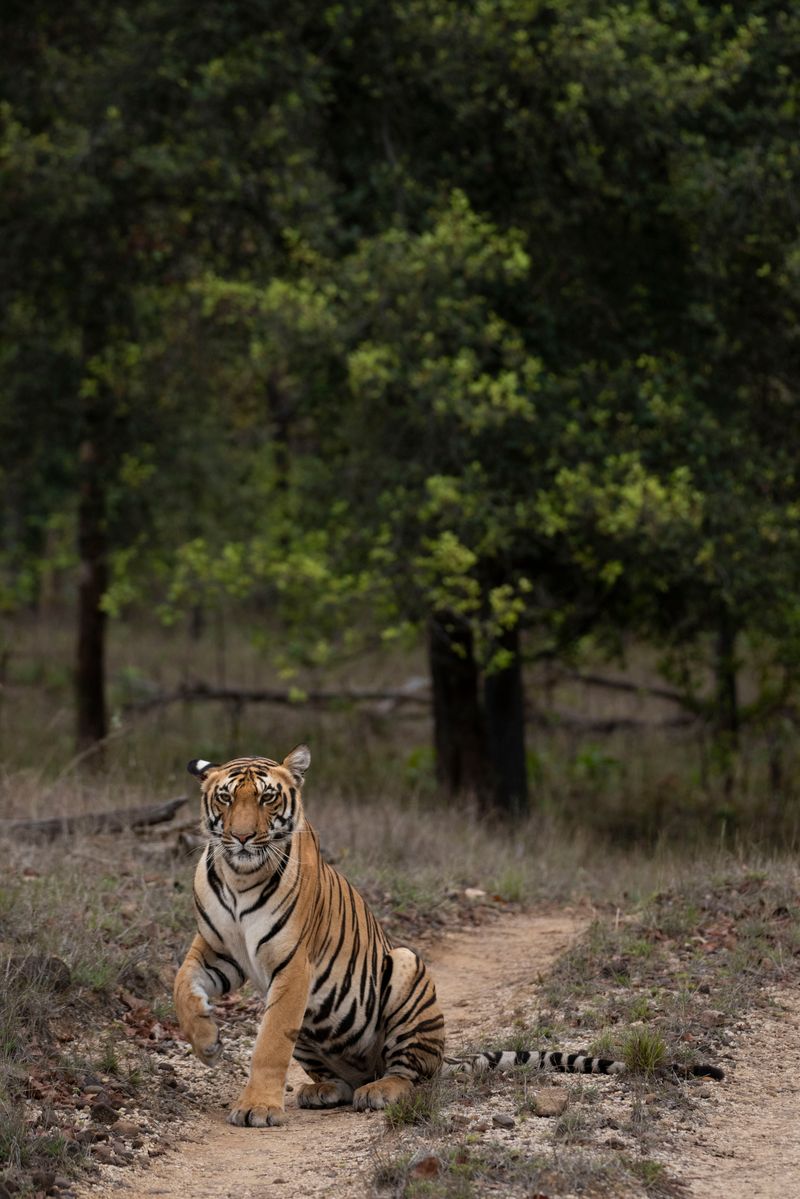
It is possible to plant a million trees and still fail at restoration. A monoculture plantation of a single fast-growing species will green a satellite image, but it will not bring back the pollinators, seed dispersers, and predators that make a forest self-sustaining rather than permanently dependent on human replanting. This is why every SSEAFA restoration site is monitored not just for canopy cover, but for the return of wildlife.
The indicators are often small and easy to miss unless you're looking. A hornbill returning to a restored patch means the fruiting trees it depends on have matured enough to feed it — and that it is now dispersing seeds for a dozen other species in its droppings, doing restoration work no human planting crew could match.
You can count trees from a satellite. You can only count a healthy forest by what walks, flies, and crawls through it.
— SSEAFA Field Ecologist
Wildlife conservation and community livelihoods are frequently framed as being in tension, but in the landscapes SSEAFA works in, the opposite is usually true. Wildlife corridors that connect fragmented forest patches also stabilize the watersheds that irrigate downstream rice fields. A forest that supports wildlife is, more often than not, a forest that is actually functioning.
The single biggest threat to wildlife in these landscapes is not usually direct hunting — it's fragmentation. A forest cut into isolated islands, each too small to support a viable breeding population, slowly loses species even if not a single additional tree is cut. This is why corridor restoration is one of the highest-priority interventions in SSEAFA's biodiversity program.
Every project in this journal is funded by people who will likely never visit — but whose support reaches every village we work in.