Address
Kumari,Lama,Bandarban, Bangladesh

 Join Our Event (28 Dec, 2026) Kumari, Lama, Bandarban.

A future where healthy ecosystems, empowered communities, and resilient food systems sustain both people and nature, where biodiversity flourishes and every generation inherits a healthier, more equitable environment.

A cooperative of women turning discarded plastic into building material is proof that waste, seen differently, is just an unclaimed resource.
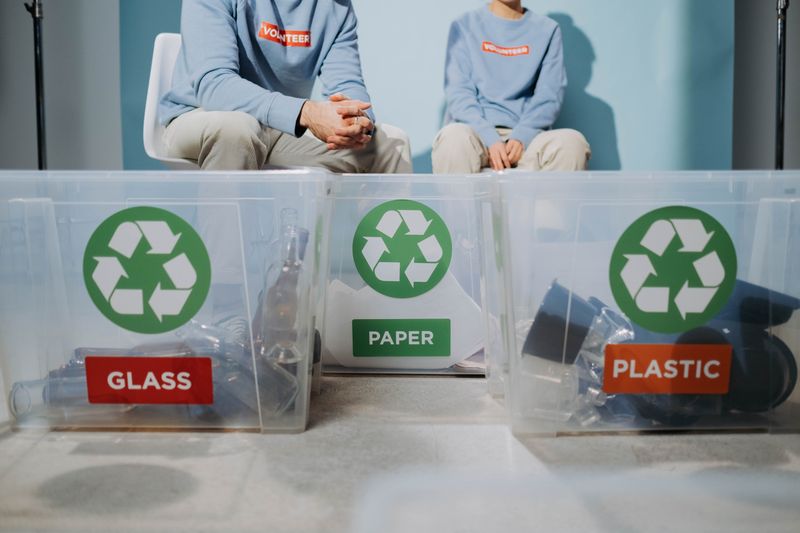
Waste, in most of the villages SSEAFA works with, has never really been "waste" in the way a well-supplied city treats it — materials are too scarce for that. What has changed in recent years is the volume and type of waste, as plastic packaging has spread even into communities with no formal collection or disposal system.
The Kutubdia Women's Recycling Cooperative is one of SSEAFA's favorite examples of a community meeting that problem head-on. What began as a weekly plastic collection drive, organized by twelve women tired of watching their children's football pitch fill with wrappers, has grown into a genuine small enterprise: collected plastic is cleaned, shredded, and compressed into low-cost paving tiles used for footpaths and cooperative building floors.
Nobody paid us to be angry about the plastic on the football pitch. We just got tired of it and started picking it up. Everything after that was just organizing.
— Cooperative Founding Member
The environmental math is straightforward — every kilogram of plastic pressed into a paving tile is a kilogram that does not end up burned, buried, or washed into the Bay of Bengal. The economic math matters just as much locally: the cooperative now provides a modest but reliable secondary income for its members during the agricultural off-season.
Similar small enterprises have since started in three neighboring villages, each adapting the same basic idea to local materials — one focuses on repurposing fishing net waste into woven storage baskets, another on turning glass bottles into mosaic tile for community buildings. None of these projects will solve plastic pollution at a national scale on their own. But they are proof, repeated four times now, that a discarded material and an organized group of people is usually enough to start.
Every project in this journal is funded by people who will likely never visit — but whose support reaches every village we work in.