Address
Kumari,Lama,Bandarban, Bangladesh
 Join Our Event (28 Dec, 2026) Kumari, Lama, Bandarban.

A future where healthy ecosystems, empowered communities, and resilient food systems sustain both people and nature, where biodiversity flourishes and every generation inherits a healthier, more equitable environment.
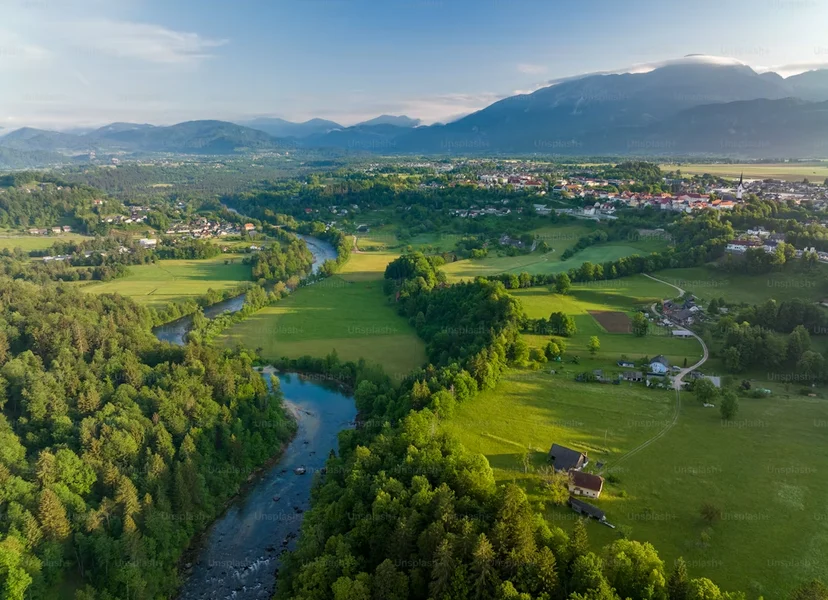
Landscape-scale restoration is made of thousands of small, individual decisions — a seed saved, a tree planted, a plot left unsprayed. Here's how one choice becomes a movement.
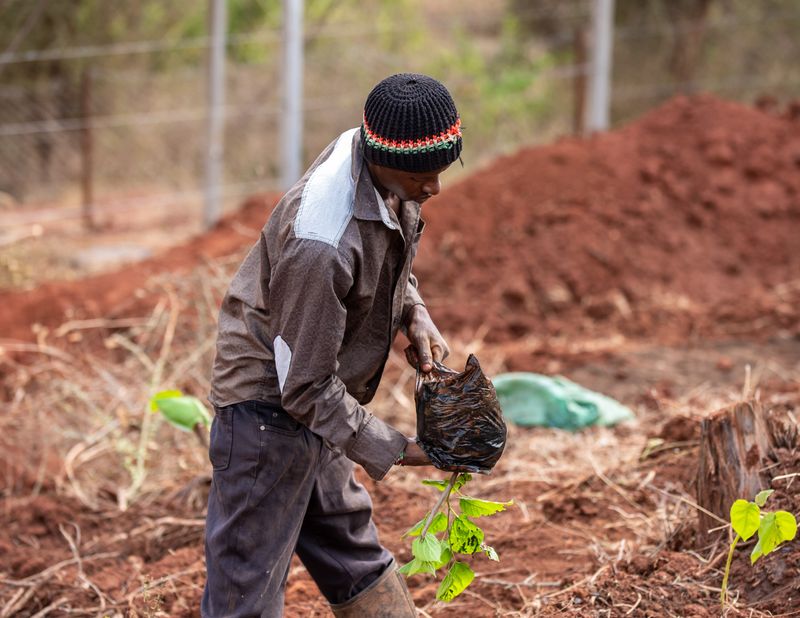
It is tempting to think that problems as large as deforestation and biodiversity loss can only be solved by equally large actors — governments, corporations, international treaties. Those actors matter enormously. But walk through any of SSEAFA's restoration sites in the Chittagong Hill Tracts and you will find the actual work is done by individuals: a farmer who intercrops native trees instead of clearing the last strip of forest on her plot, a teenager who volunteers at the weekend tree nursery, a shopkeeper who agrees to stock seedlings on consignment.
Farida Begum is one such individual. In 2021 she set aside a quarter-acre of degraded land bordering her rice field to trial an agroforestry method SSEAFA extension workers had introduced at a community meeting. Neighbors were skeptical — the plot produced no income in its first year. Four years on, that quarter-acre yields fruit, timber, and fodder, and six neighboring households have converted their own marginal land using cuttings from her trees.
I didn't plant those trees to save the planet. I planted them so my grandchildren would have shade and firewood. It turns out those are the same thing.
— Farida Begum, Farmer
This is the pattern behind every SSEAFA project: individual decisions, repeated and supported until they become the norm. Community seed banks exist because individual farmers chose to contribute their best seed rather than sell it. Watershed protection succeeds because individual households upstream chose to fence livestock away from the riverbank.
If you are wondering whether your own choices matter against the scale of the climate crisis, the honest answer from the field is: yes — not because your action alone rebalances anything, but because every large-scale outcome we have measured began as one person's individual, unglamorous decision to try.
Every project in this journal is funded by people who will likely never visit — but whose support reaches every village we work in.