Address
Kumari,Lama,Bandarban, Bangladesh
 Join Our Event (28 Dec, 2026) Kumari, Lama, Bandarban.

A future where healthy ecosystems, empowered communities, and resilient food systems sustain both people and nature, where biodiversity flourishes and every generation inherits a healthier, more equitable environment.
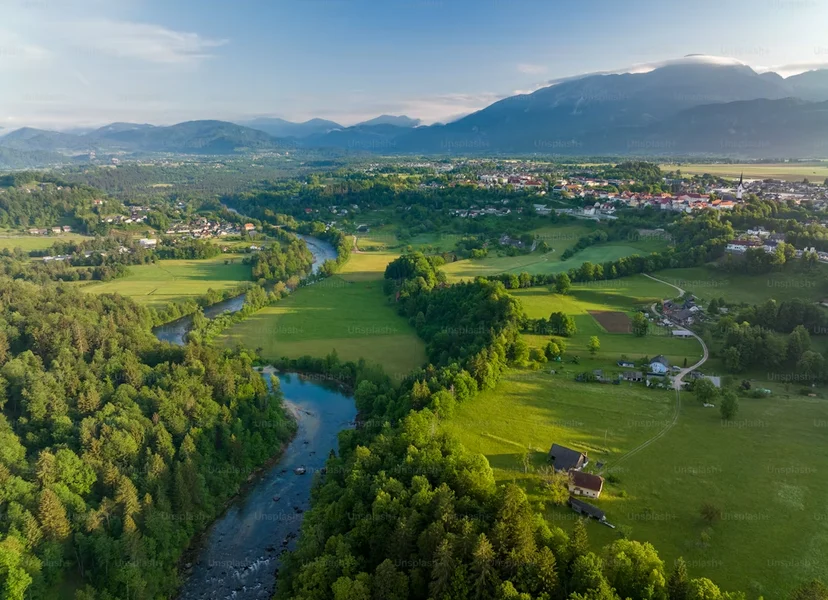
Off-grid solar is quietly replacing diesel generators and kerosene lamps in Bangladesh's most remote farming communities — and every donation brings the next village online.
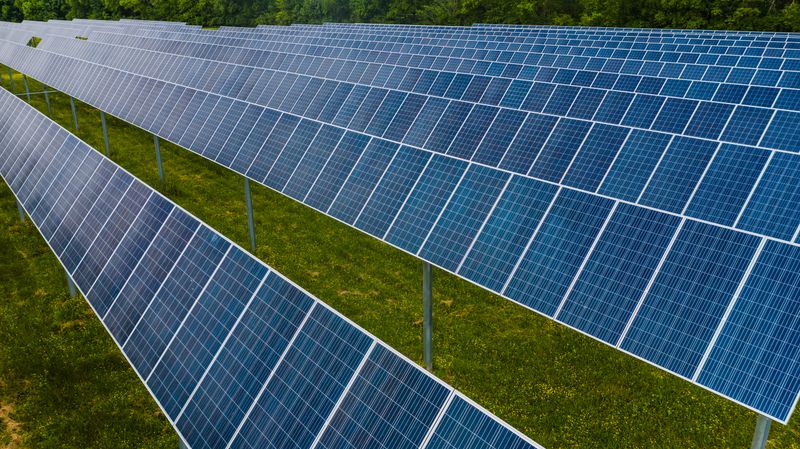
Across the coastal belts and hill tracts where SSEAFA works, reliable electricity has always been the exception rather than the rule. Diesel generators are noisy and expensive to run, and kerosene lamps flicker through study hours and clinic nights alike. For years, this was simply accepted as the cost of living far from the grid.
That is changing, one rooftop panel at a time. Since 2022, SSEAFA has helped install solar micro-grids in fourteen villages, powering everything from irrigation pumps to the reading lamps in community learning centers. Each system is sized to the household or cooperative it serves, and maintained by technicians trained from within the community itself.
The first night our clinic had light after dark, we delivered two babies. Before that, we would have sent both mothers on a two-hour boat ride.
— Community Health Worker, Shyamnagar
The economics are as compelling as the environmental case. A typical farming household that switches from a diesel pump to a solar-powered one recovers the cost of the panel within two growing seasons through fuel savings alone — savings that are then reinvested in seed, tools, or a child's school fees.
None of this happens without support from people who will likely never visit these villages themselves. Every panel, battery, and inverter is funded through donations. When you give to SSEAFA's energy program, you are funding the exact wattage that keeps a health post's vaccine fridge running through the night.
Every project in this journal is funded by people who will likely never visit — but whose support reaches every village we work in.