Address
Kumari,Lama,Bandarban, Bangladesh
 Join Our Event (28 Dec, 2026) Kumari, Lama, Bandarban.
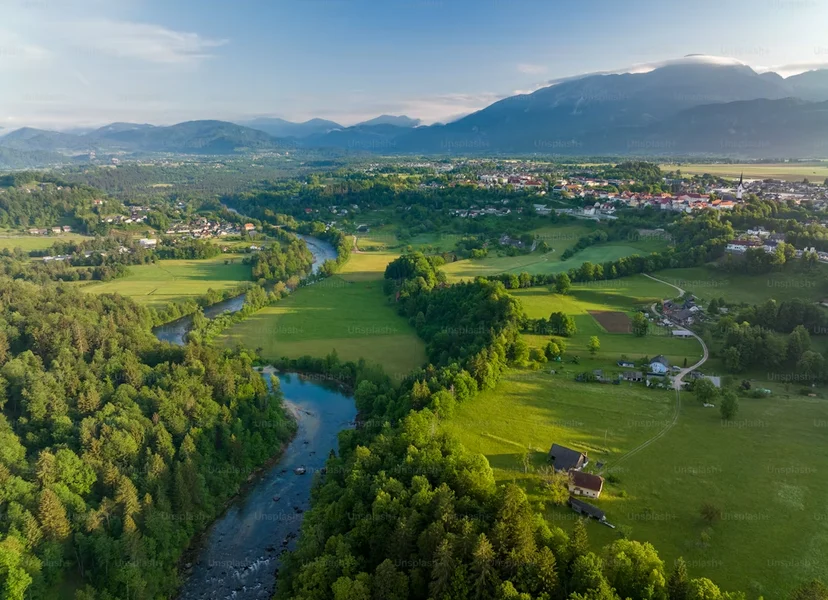
A future where healthy ecosystems, empowered communities, and resilient food systems sustain both people and nature, where biodiversity flourishes and every generation inherits a healthier, more equitable environment.
Converting degraded, chemical-dependent monocrop plots into diversified agroecological systems — one farming household at a time.
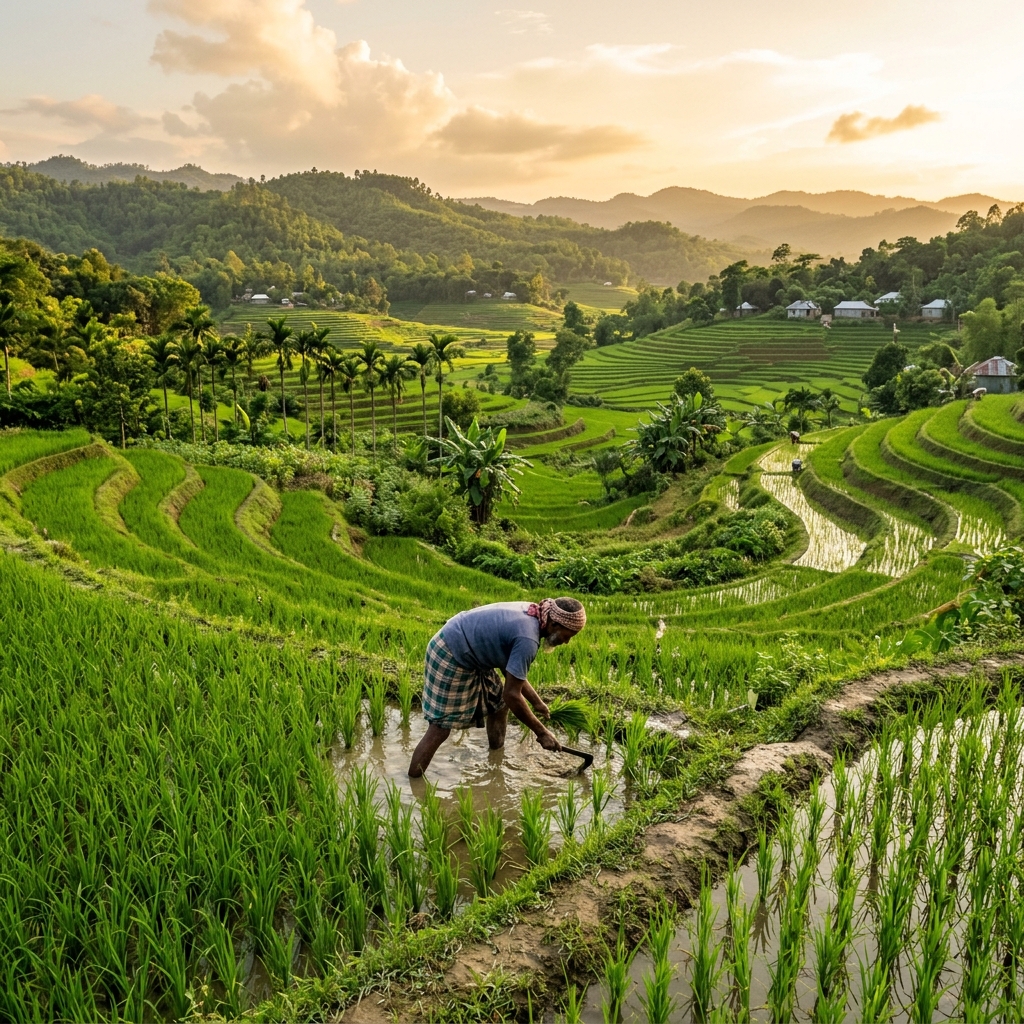
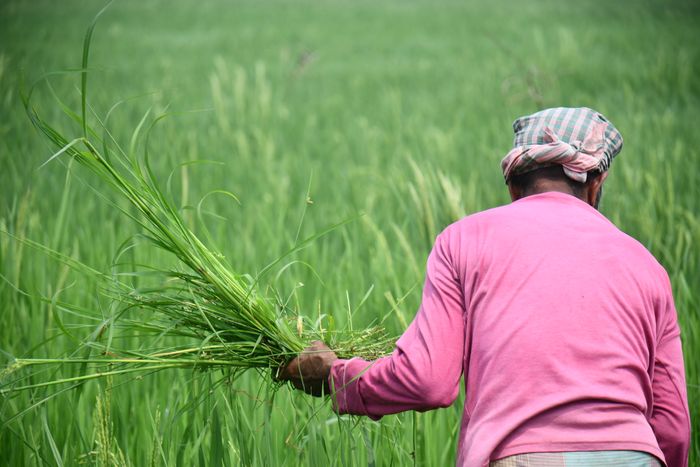

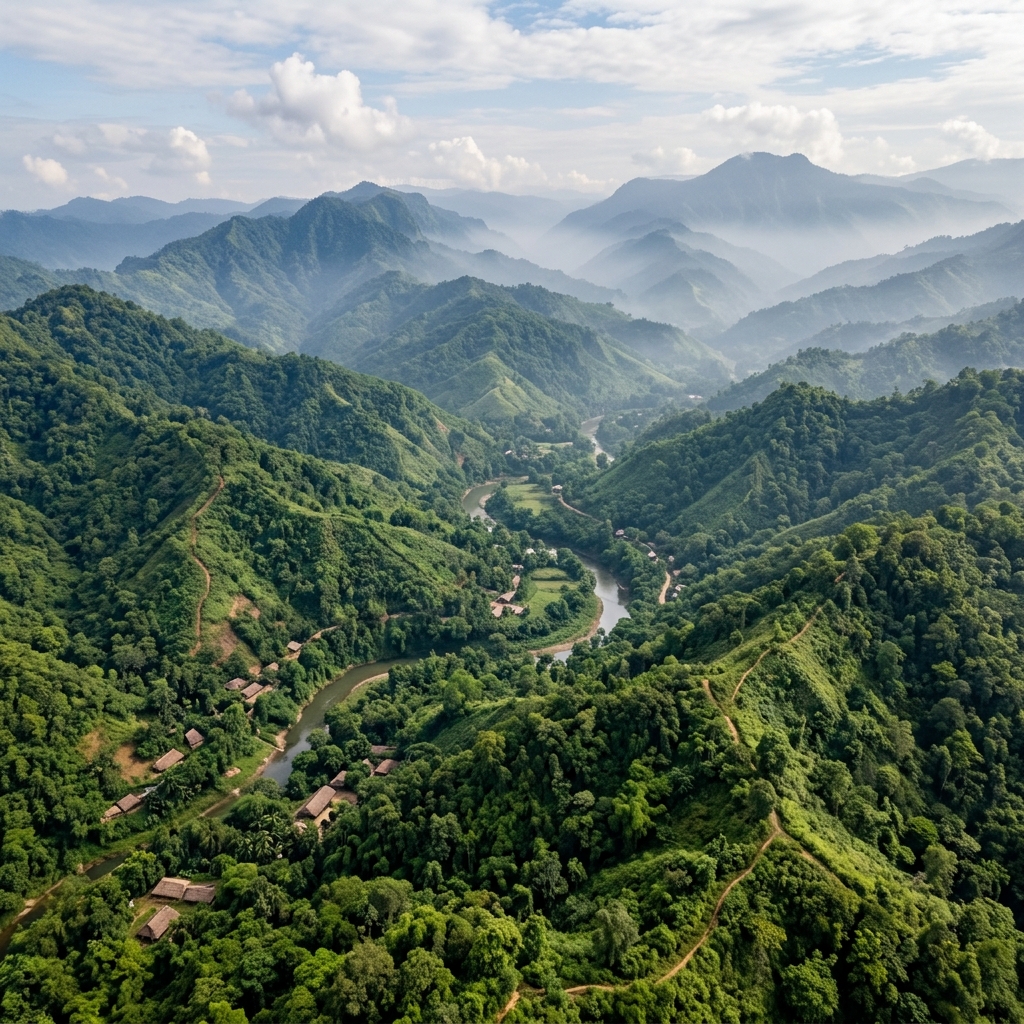
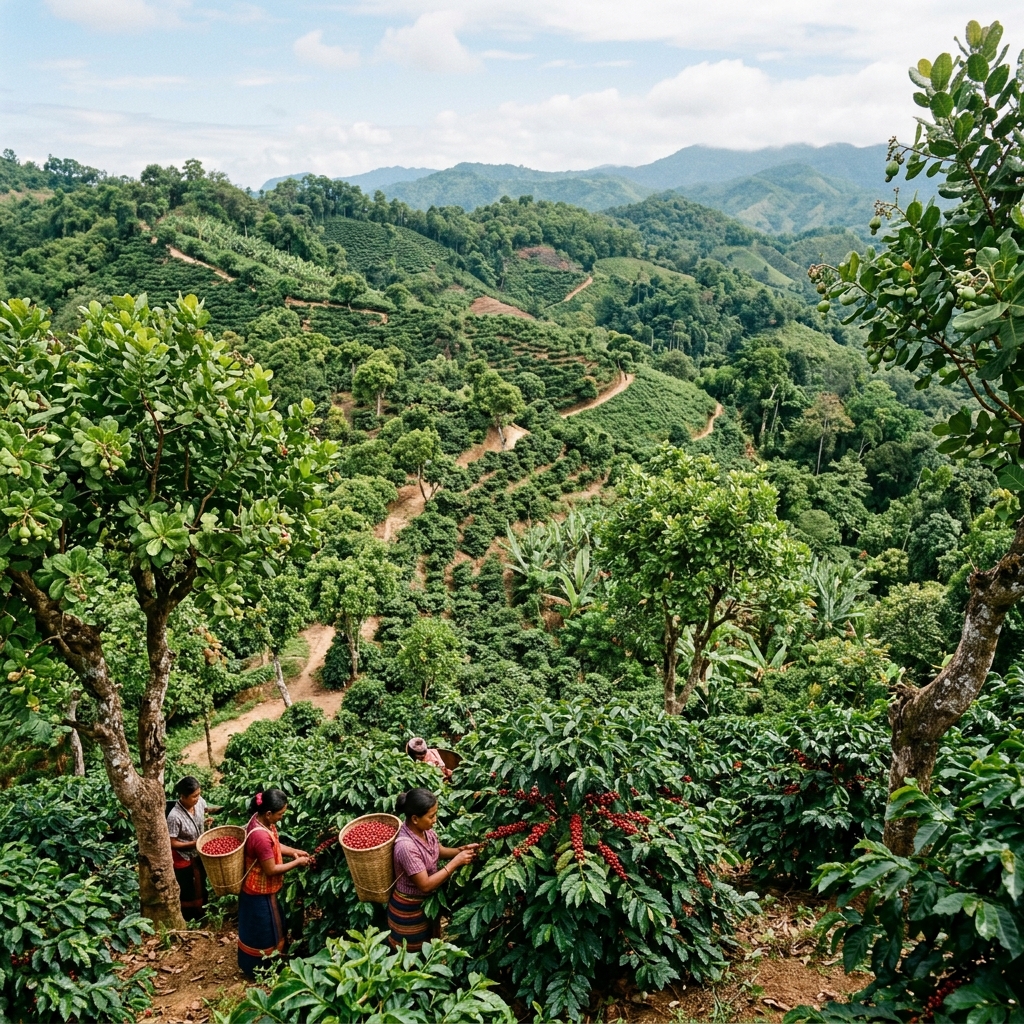
Across the degraded hillside plots of the Chittagong Hill Tracts, decades of intensive monocropping had stripped topsoil of organic matter and left farmers increasingly dependent on chemical inputs just to hold yields steady. This project works directly with 210 farming households to convert degraded plots into diversified agroecological systems — combining native tree cover, intercropped legumes, and reduced-tillage practices that rebuild soil health from the ground up.
Rather than prescribing a single template, SSEAFA's agronomists work plot by plot, mapping soil condition, water access, and each household's existing crop mix before proposing a transition plan. Farmers who join receive free native tree seedlings, compost-making training, and two seasons of yield-loss insurance while their soil recovers — removing the single biggest barrier to trying a new system: the fear of a bad first year.
Three years in, participating plots show measurably higher soil organic content and are outyielding neighboring conventional plots during drought years, when the diversified root systems and improved water retention make the difference between a harvest and a failed season.
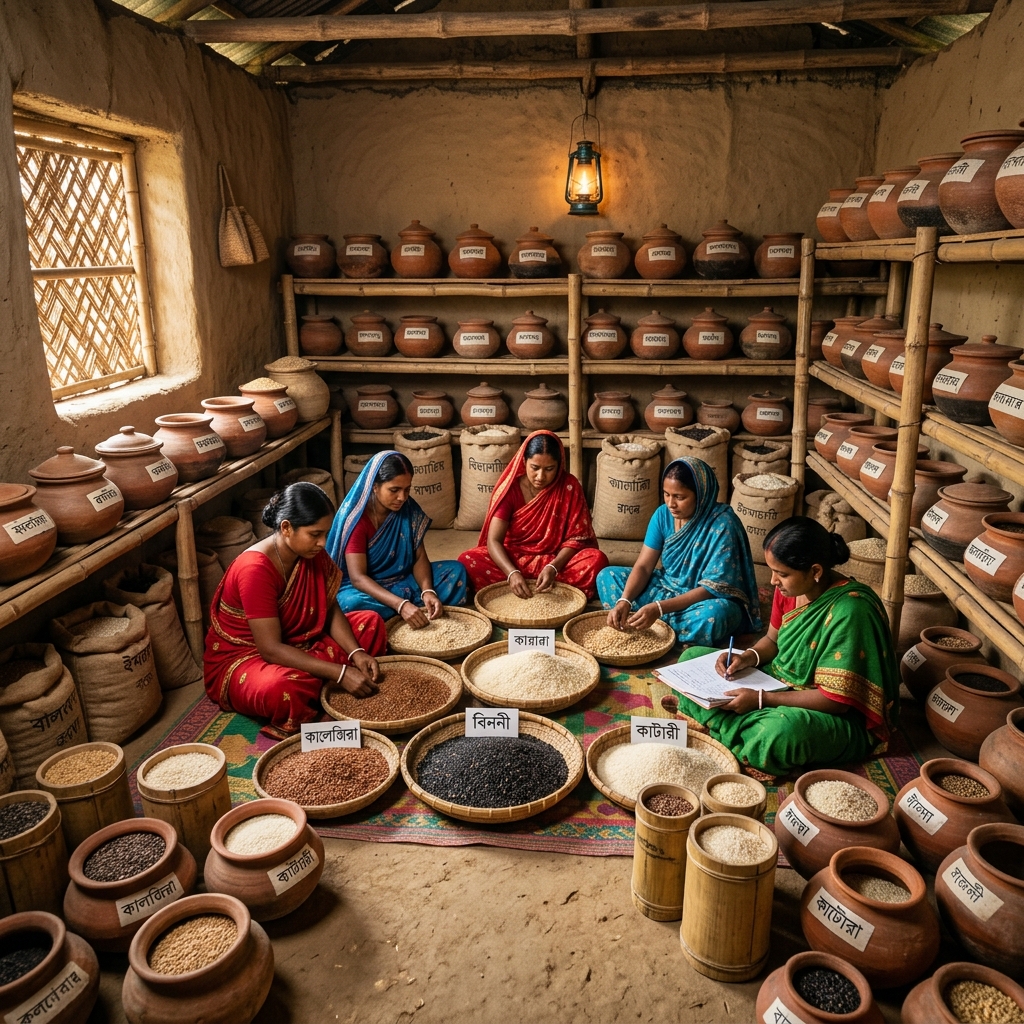
Every restored hectare, every trained household, every seed bank in this journal is made possible by people and volunteers who believe in the work.