Address
Kumari,Lama,Bandarban, Bangladesh
 Join Our Event (28 Dec, 2026) Kumari, Lama, Bandarban.

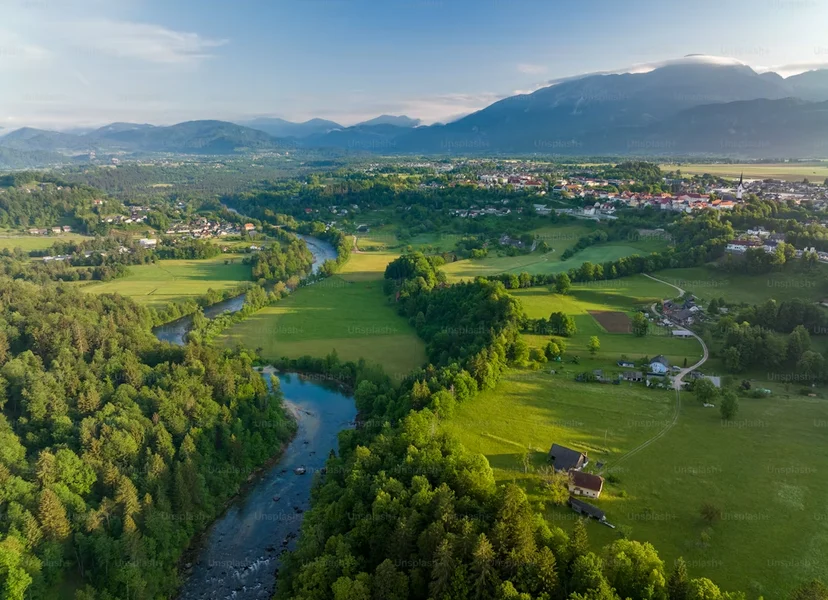
A future where healthy ecosystems, empowered communities, and resilient food systems sustain both people and nature, where biodiversity flourishes and every generation inherits a healthier, more equitable environment.
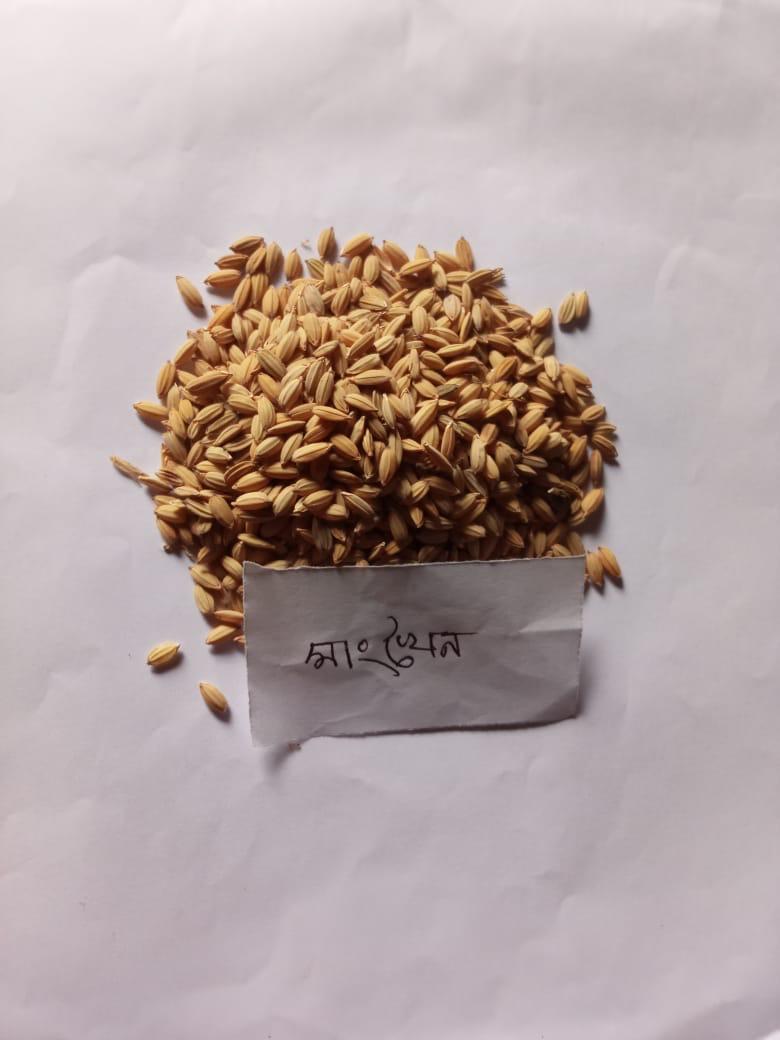
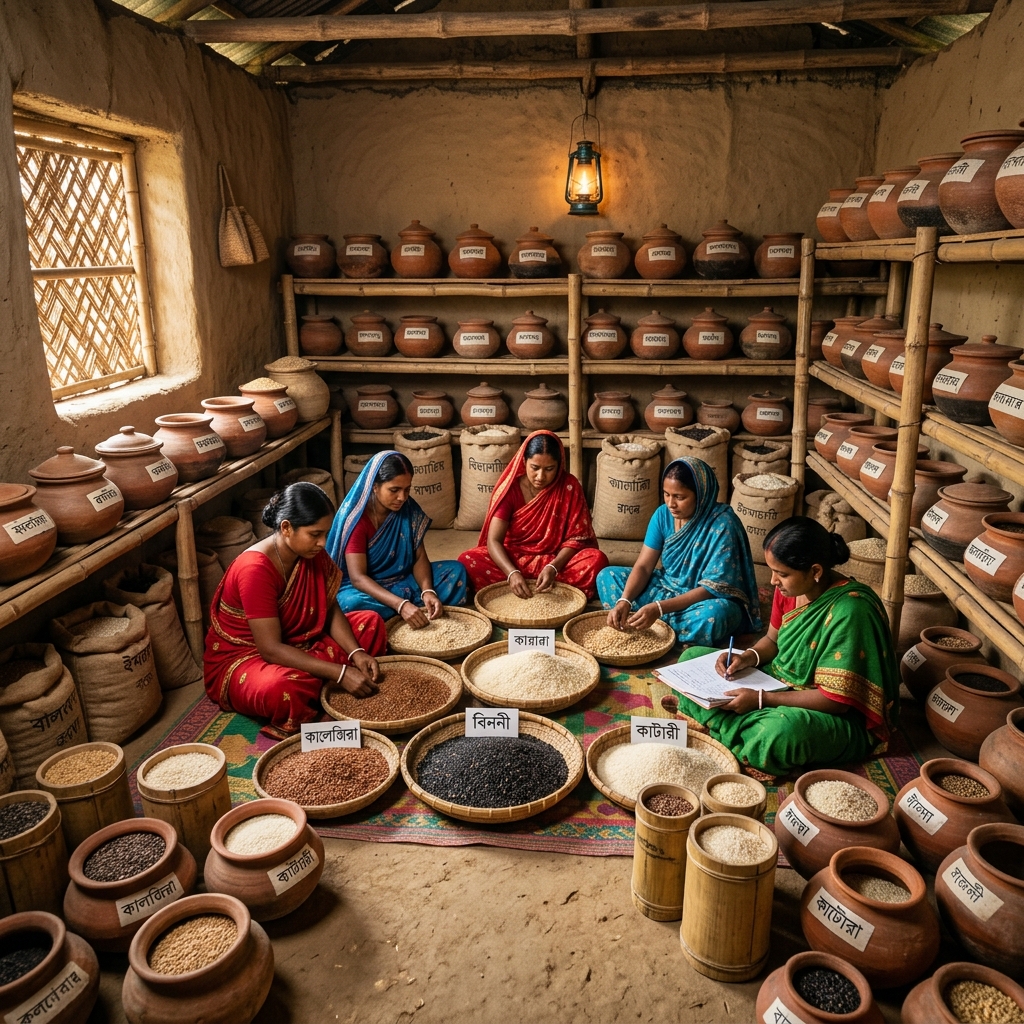
Rebuilding Bangladesh's lost genetic library of traditional rice varieties, one farmer-run community seed bank at a time.
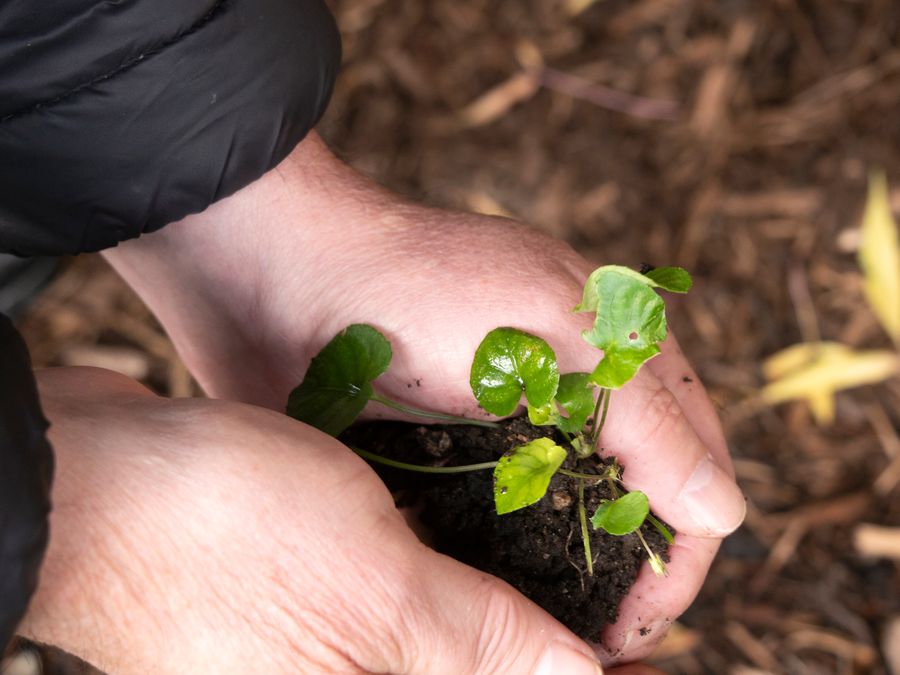
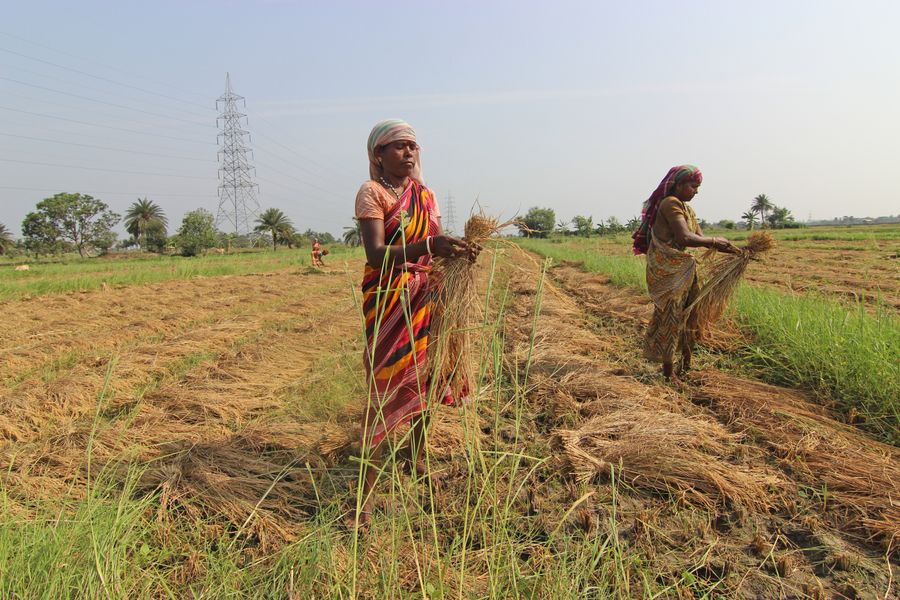
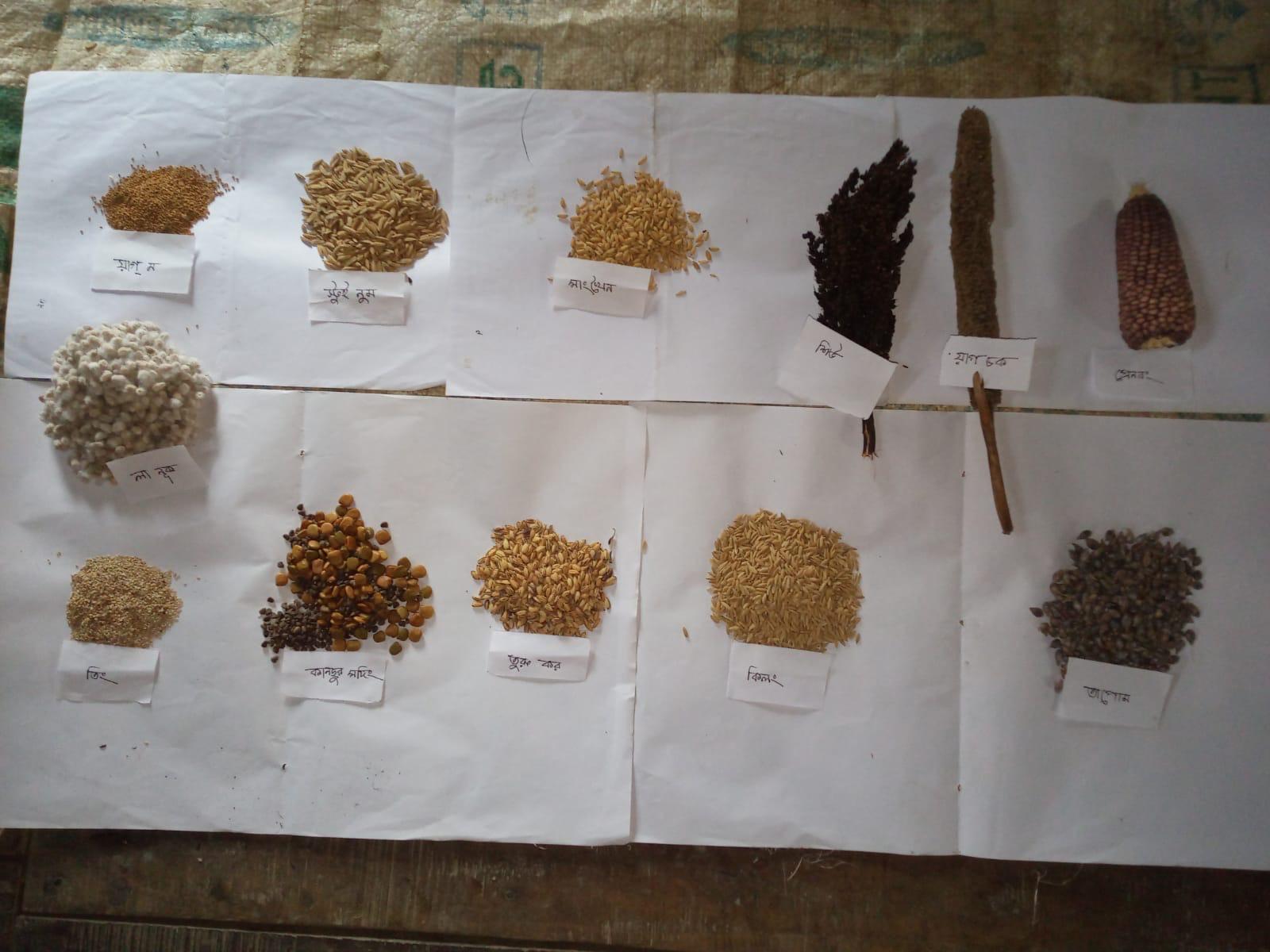
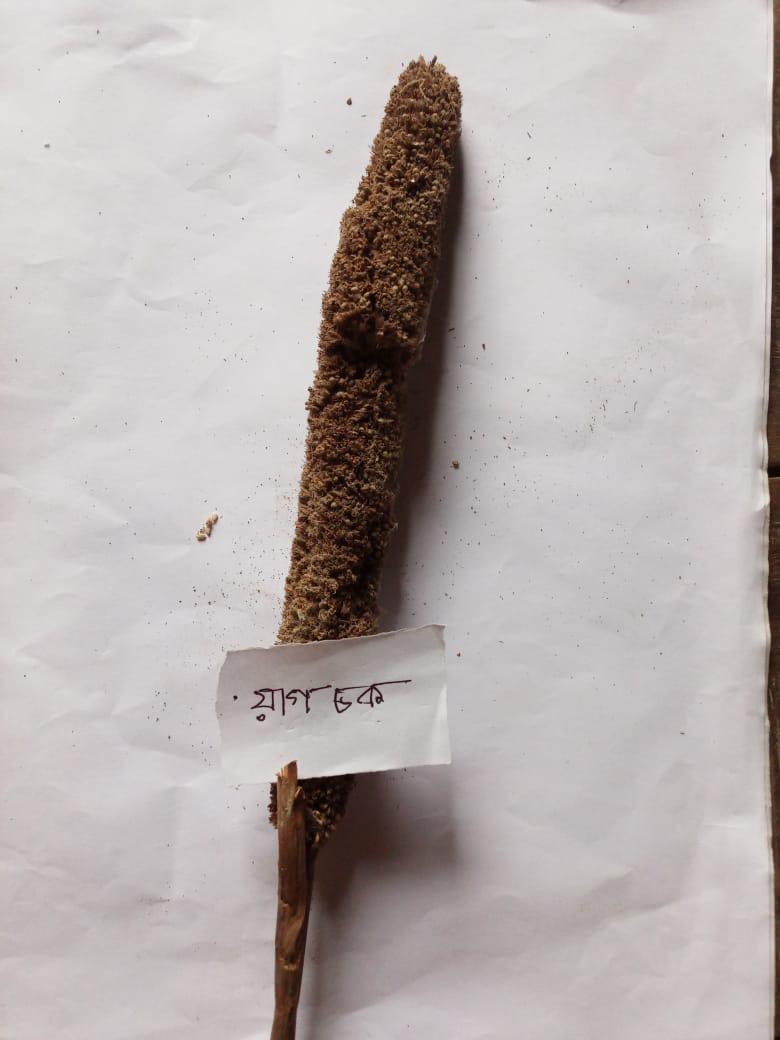
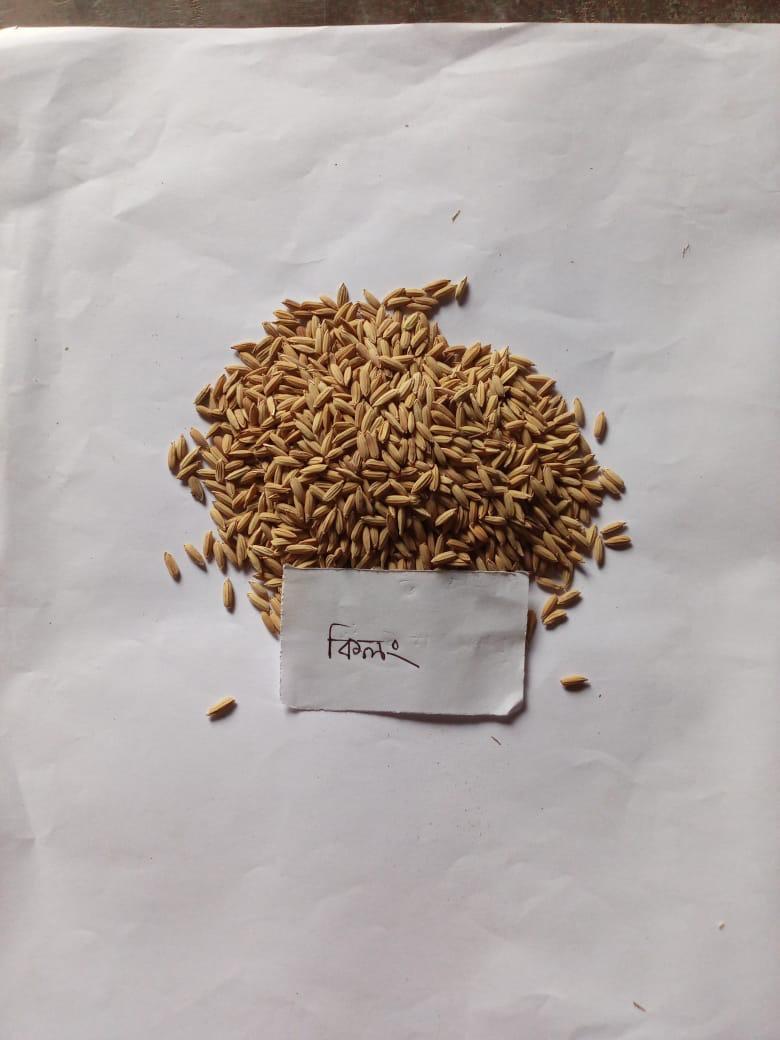
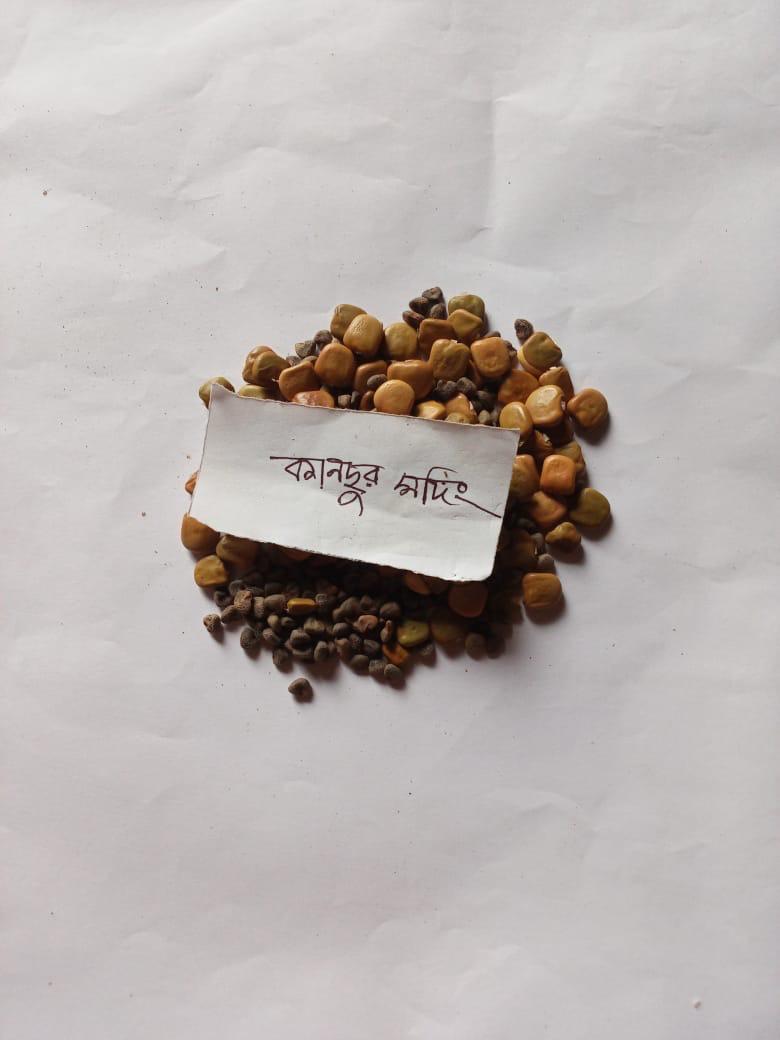
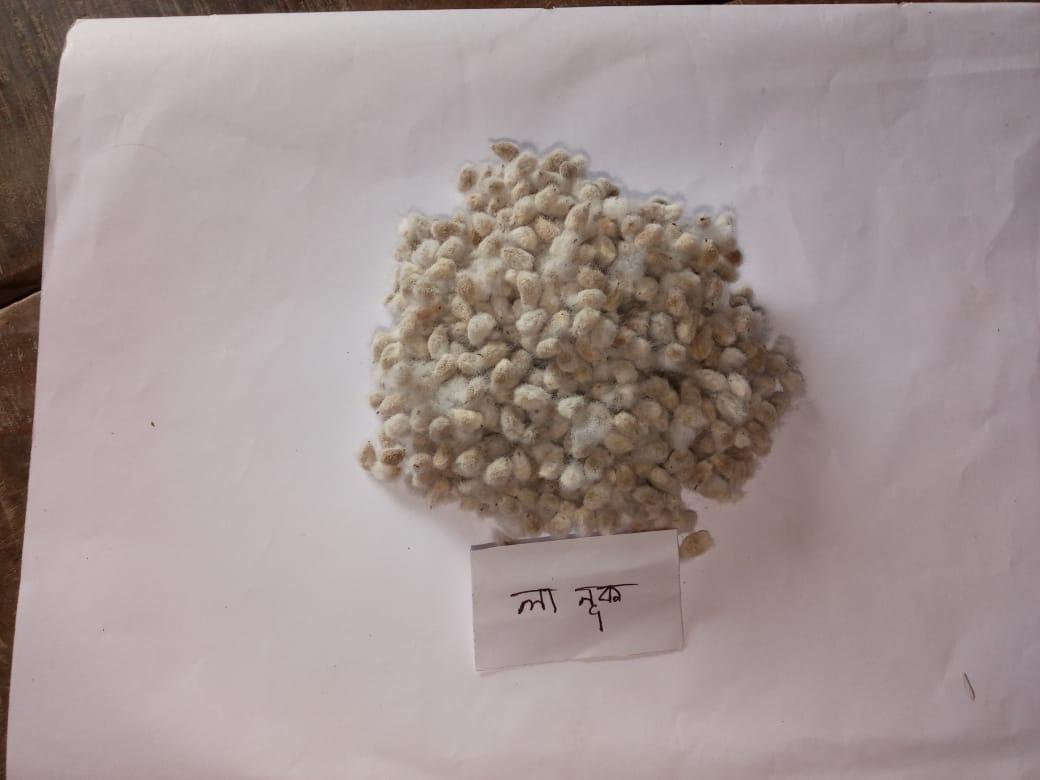
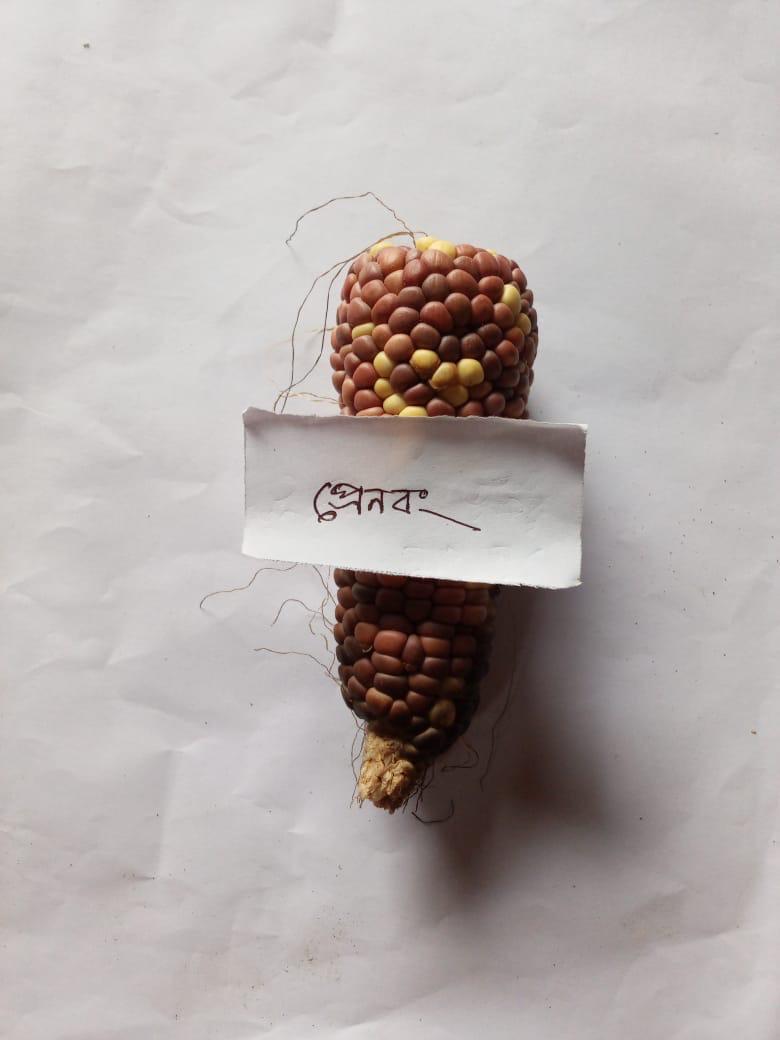
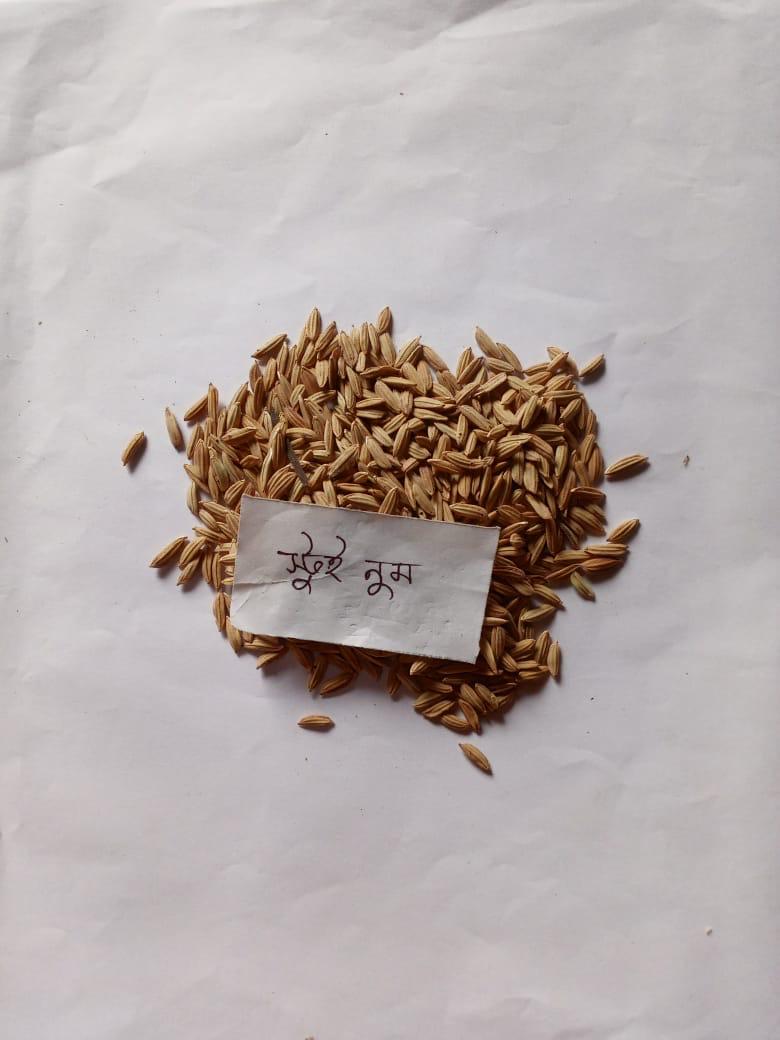
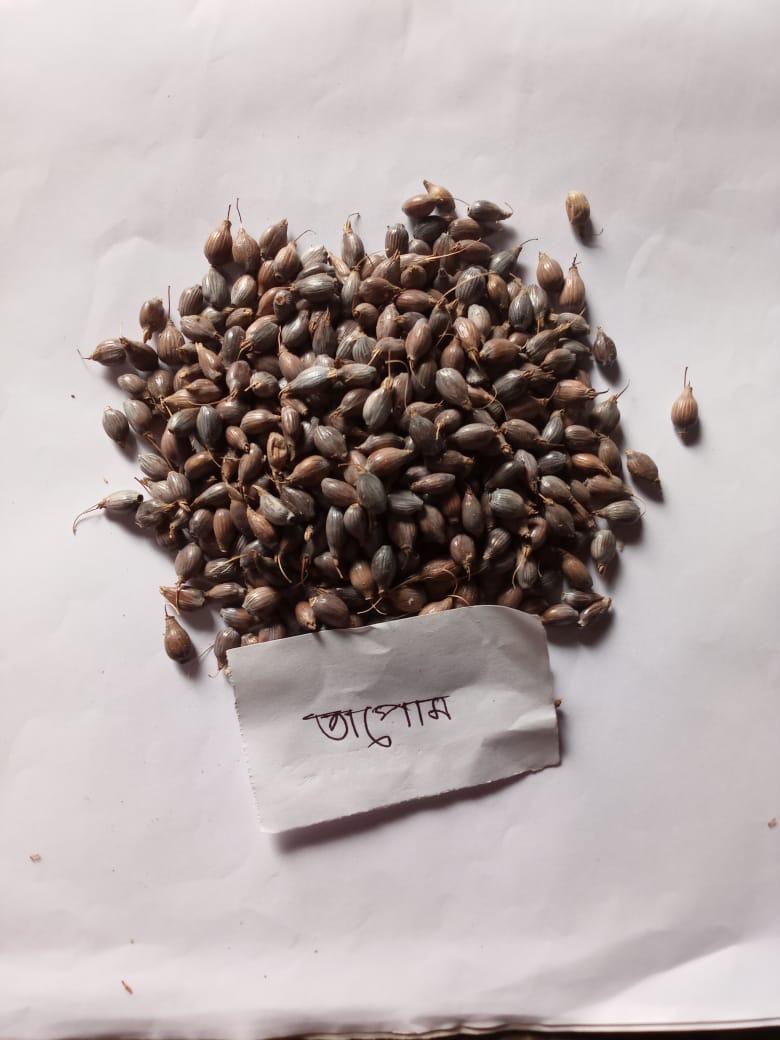
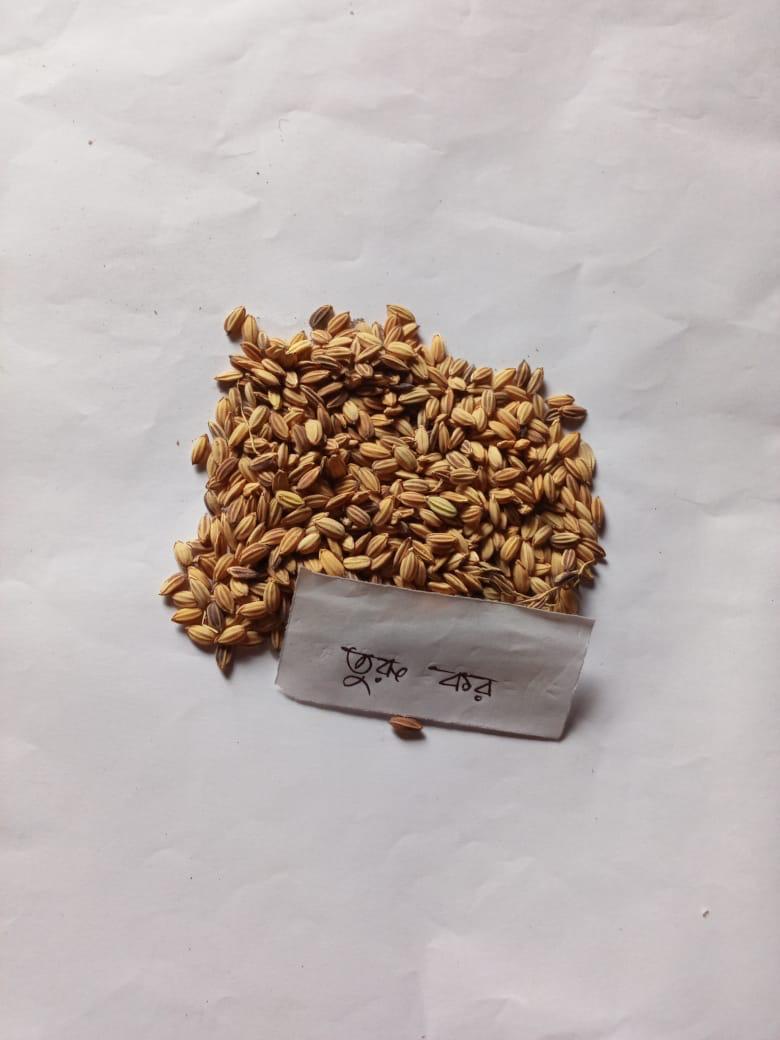
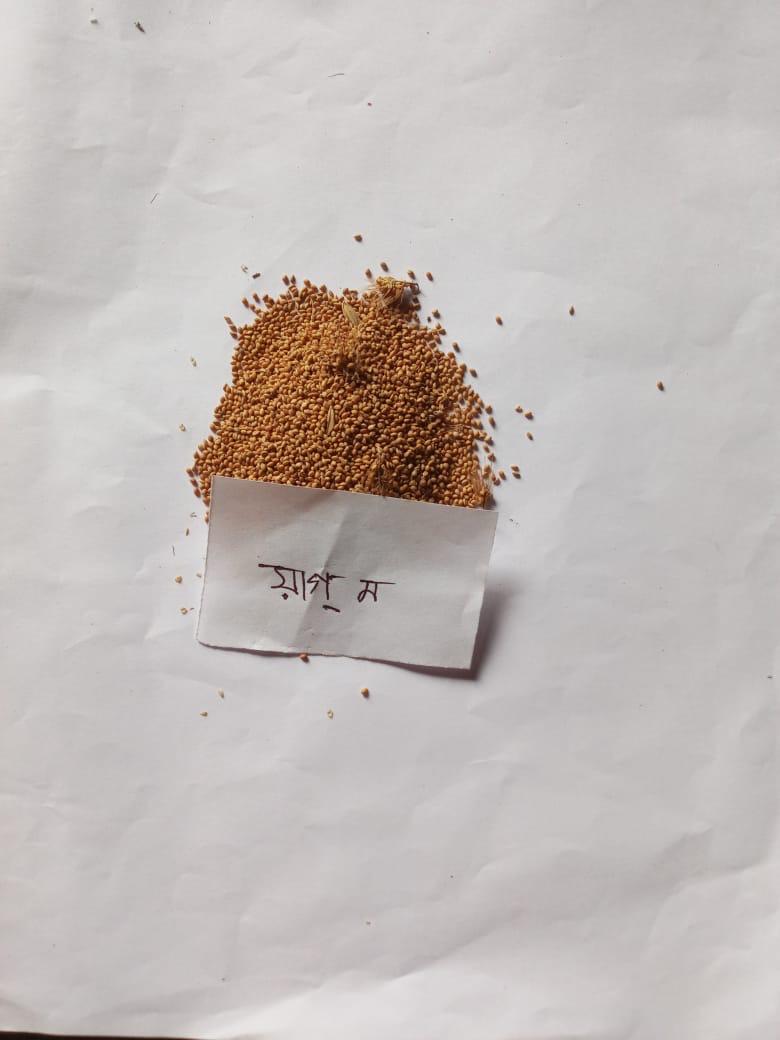
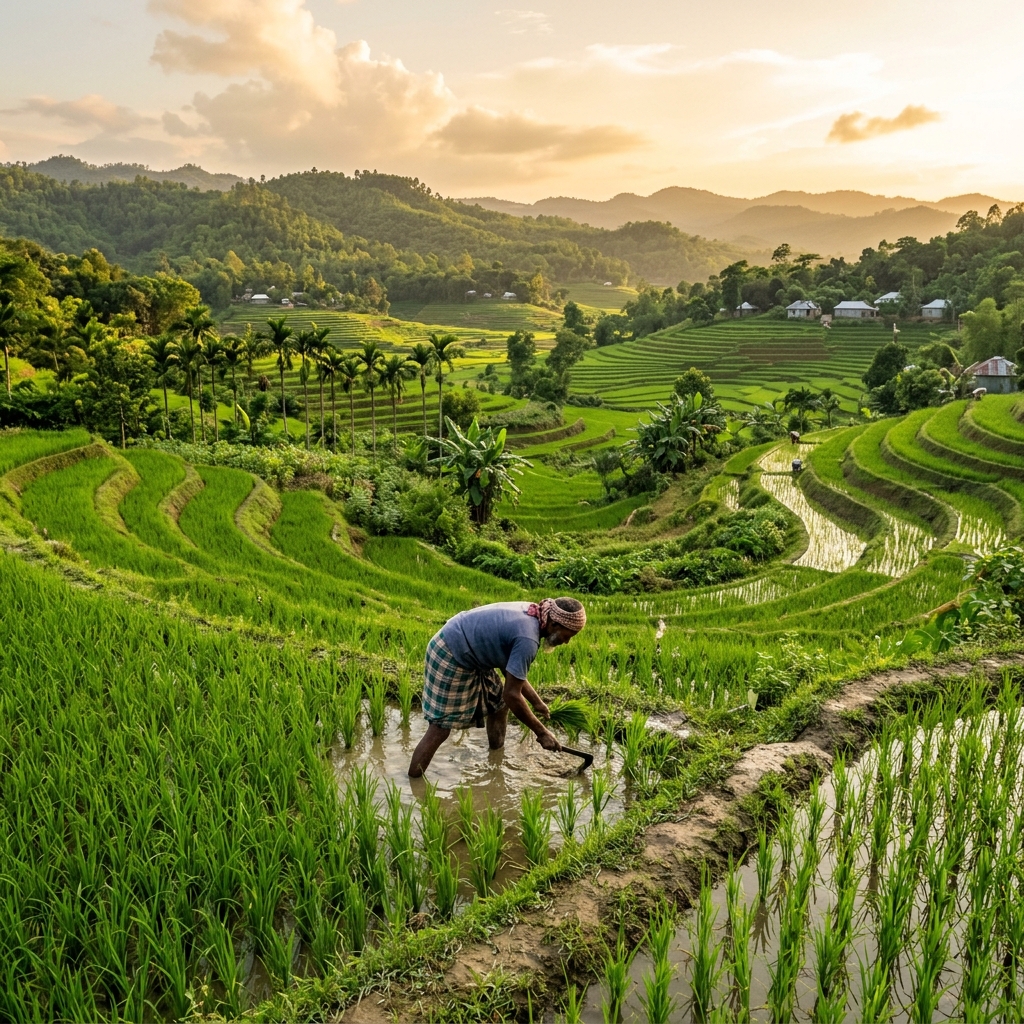
Decades of green-revolution monoculture pushed Bangladesh's farmers toward a handful of high-yield rice varieties — boosting short-term output but quietly erasing hundreds of traditional varieties bred over generations for flood tolerance, salinity resistance, and specific local soils. This project rebuilds that lost genetic library, one community seed bank at a time.
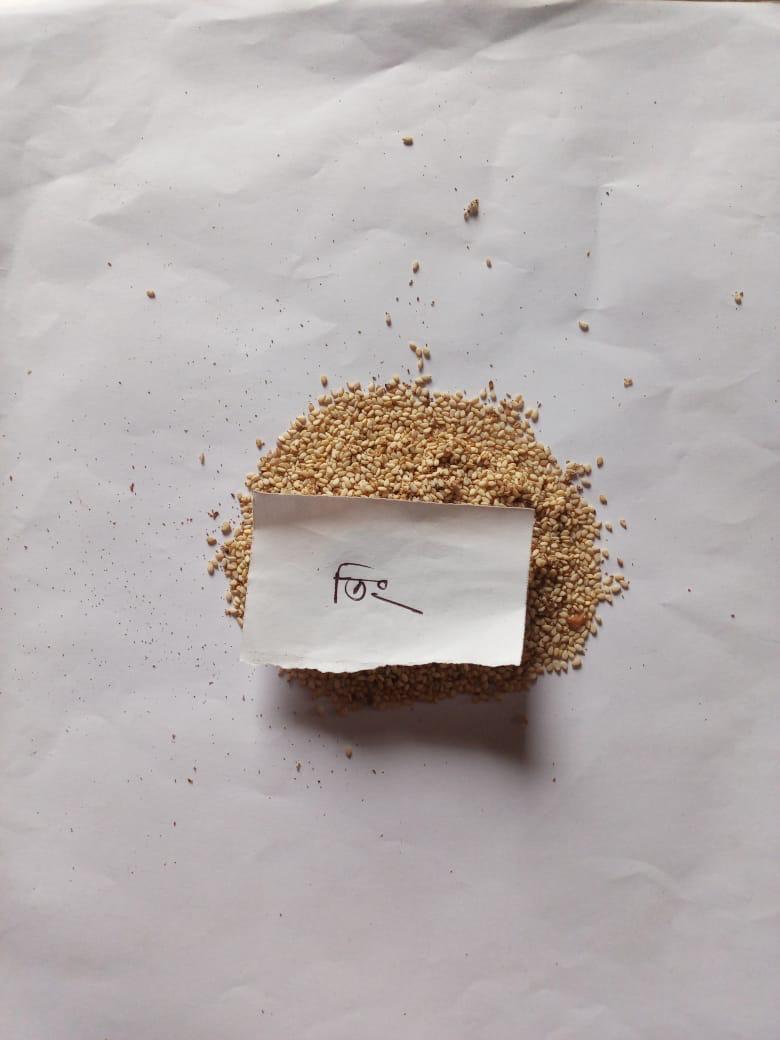
Eighteen village-level seed banks now operate as farmer-run cooperatives, where members contribute their best traditional seed each harvest in exchange for access to the shared collection. SSEAFA supports each bank with proper storage infrastructure, germination testing protocols, and a shared digital catalog that tracks which varieties perform best under which stress conditions — flood, drought, or salinity — based on real field results reported back by member farmers.
Several nearly-lost salt-tolerant varieties, cultivated by only a handful of elderly farmers when the program began, are now back in wider circulation after outperforming modern varieties in the increasingly saline soils of the southwest during recent dry seasons.
Every restored hectare, every trained household, every seed bank in this journal is made possible by people and volunteers who believe in the work.