Address
Kumari,Lama,Bandarban, Bangladesh
 Join Our Event (28 Dec, 2026) Kumari, Lama, Bandarban.
A future where healthy ecosystems, empowered communities, and resilient food systems sustain both people and nature, where biodiversity flourishes and every generation inherits a healthier, more equitable environment.
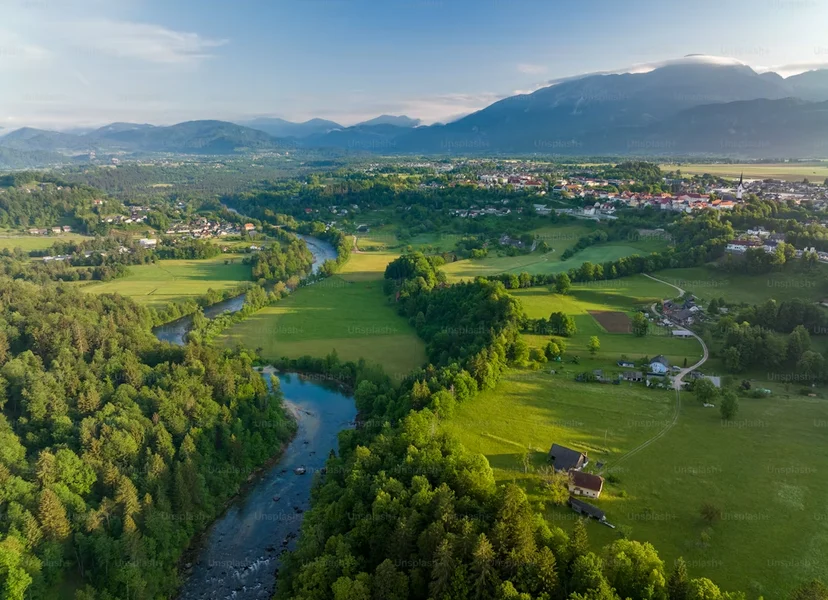
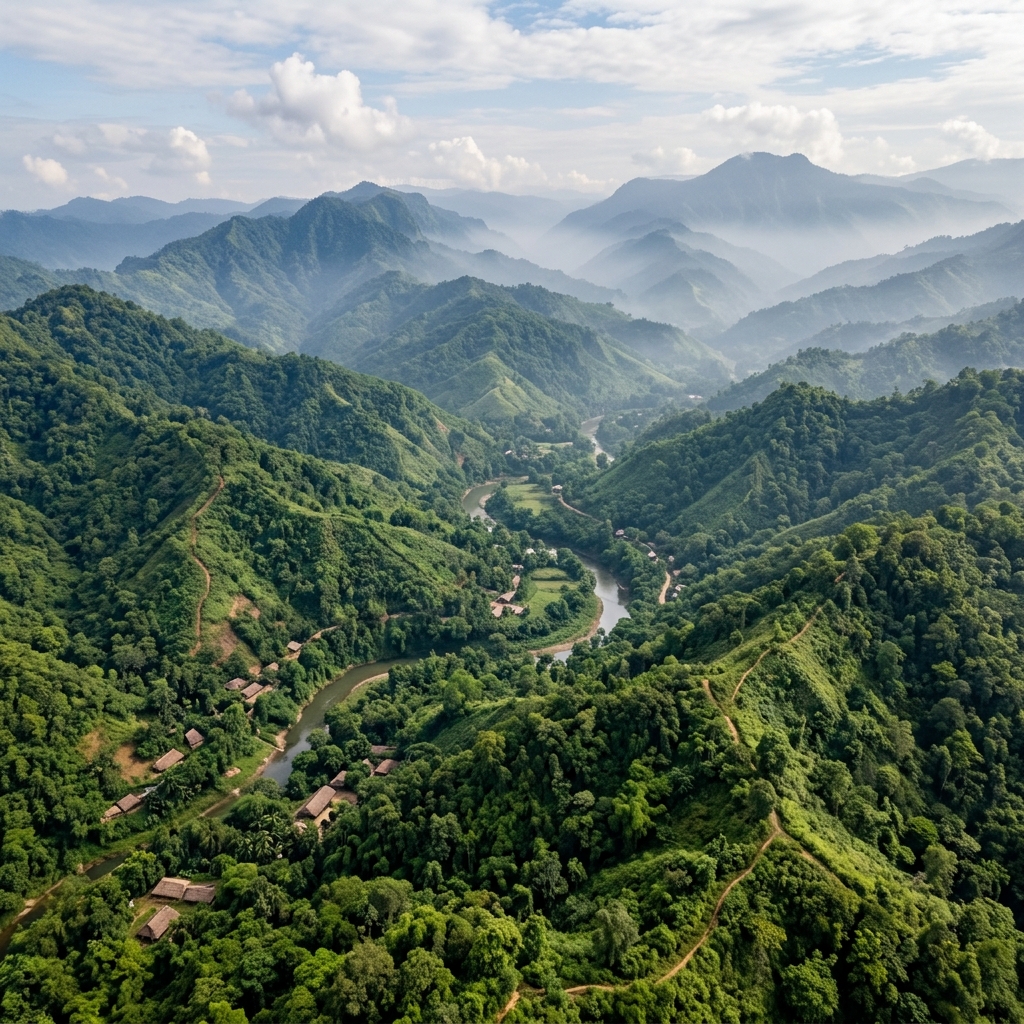
Restoring the upstream forest and riverbank buffer that regulates flooding and filters water flowing into the haor wetlands, watershed by watershed.
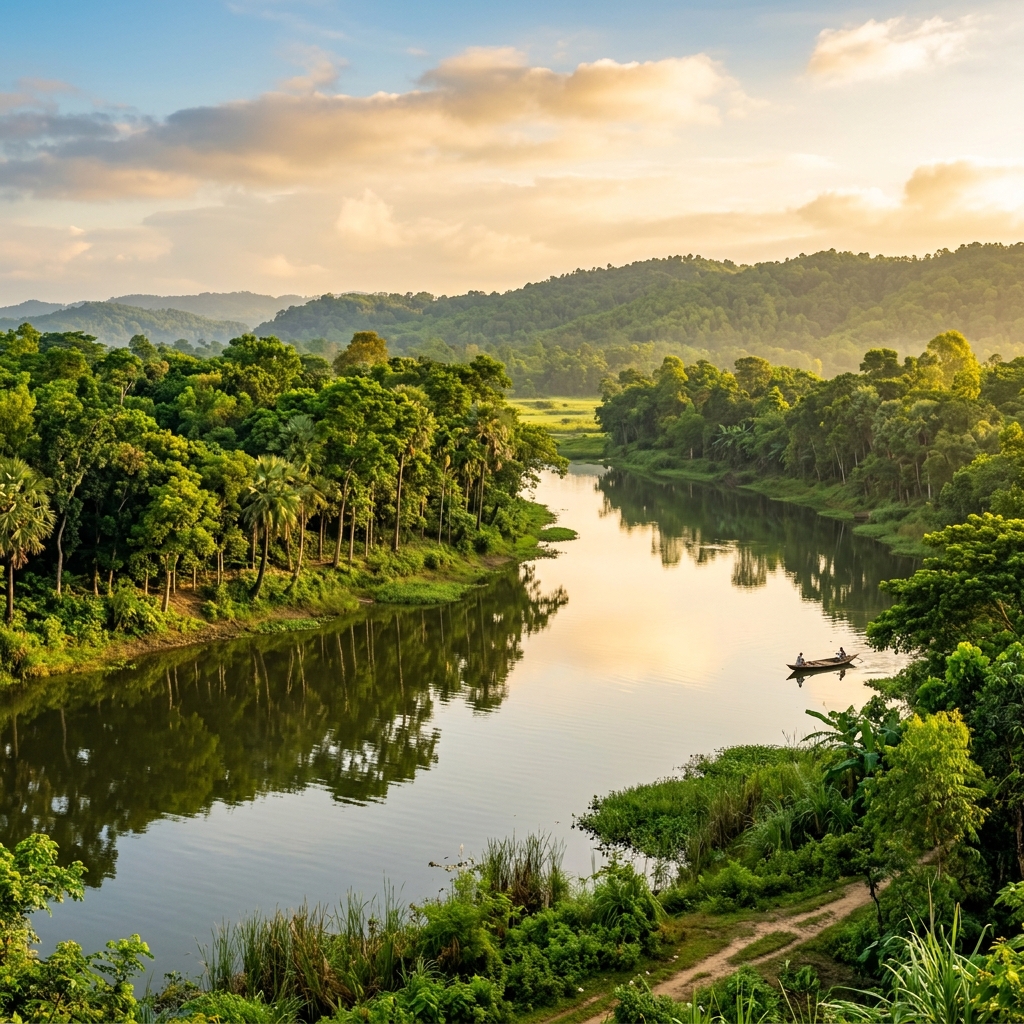
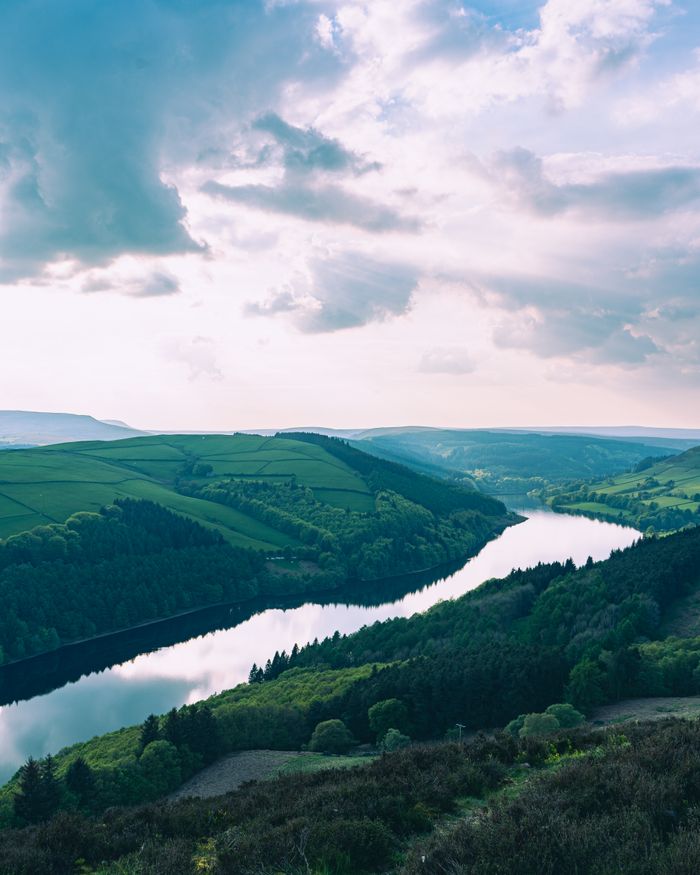
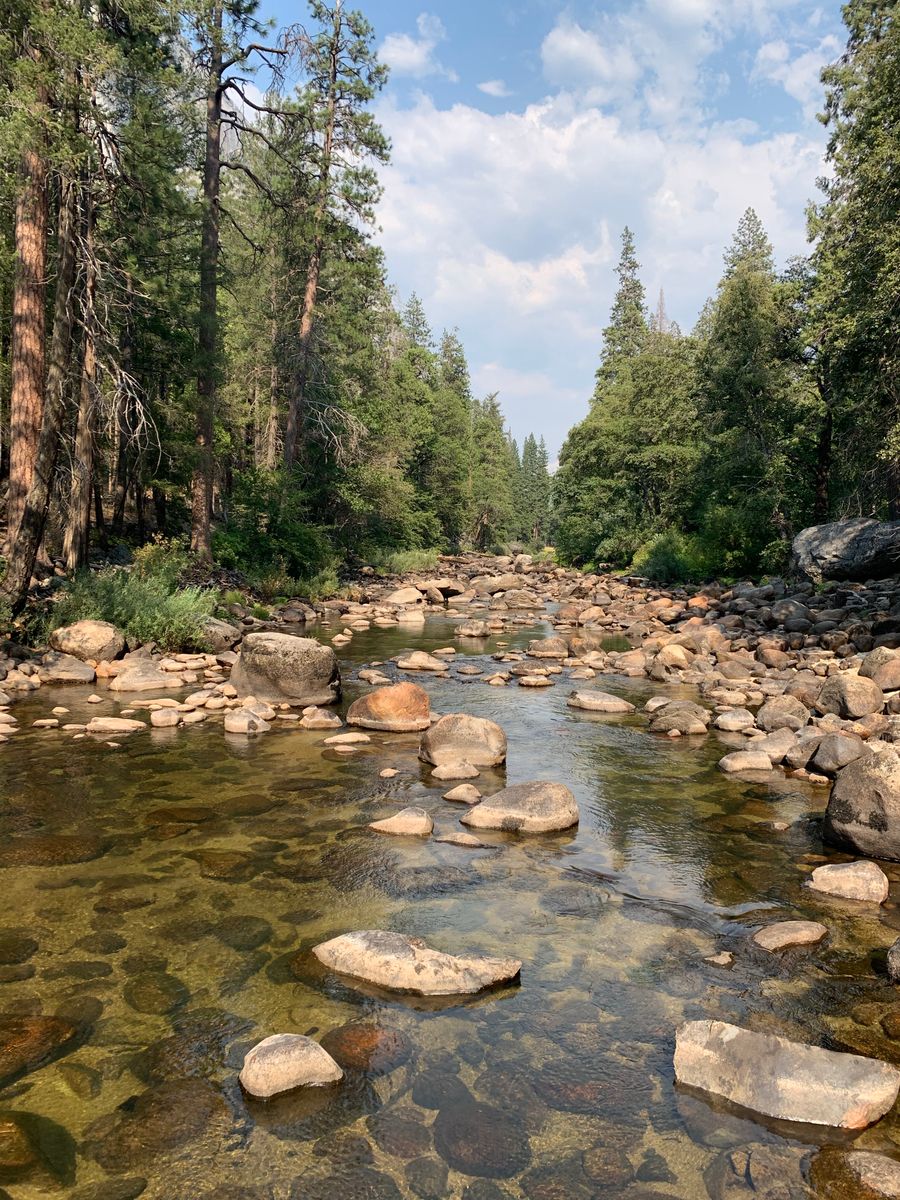
The haor wetlands of Sylhet depend on a delicate seasonal balance of upstream forest cover and riverbank vegetation to regulate flooding and filter water flowing into the basin — a balance that decades of upstream deforestation and unregulated riverbank grazing had steadily broken down. This project restores that protective buffer, watershed by watershed.
Work focuses on two fronts simultaneously: replanting native riparian tree species along degraded riverbanks to stabilize soil and filter runoff, and working with upstream communities to fence livestock away from newly planted zones during the critical first three growing seasons. Community watershed committees, formed in each of the six target watersheds, now monitor riverbank condition and coordinate planting schedules across the basin.
Water clarity testing at monitoring points downstream of the earliest restoration zones shows measurably reduced sediment load compared to unrestored comparison sites, and dry-season river flow in two of the six watersheds has stabilized enough to extend the local irrigation window by several weeks.
Every restored hectare, every trained household, every seed bank in this journal is made possible by people and volunteers who believe in the work.